

In my senior English class I began the year, somewhat foolishly, by teaching Joseph Conrad’s Heart of Darkness. Even more foolishly, I chose to close the section out with T.S. Eliot’s “The Hollow Men.” You can imagine the strained, confused looks as we read the final lines of the poem, which continues to baffle even the best readers:
For Thine is
Life is
For Thine is the
This is the way the world ends
This is the way the world ends
This is the way the world ends
Not with a bang but a whimper.
The poem’s end imitates the children’s song, “Here We Go Round the Mulberry Bush,”–the combination of post-war disillusionment and cheery childhood creating an unsettling hymn.

That’s how the 2020-2021 school year seemed poised to go. After the chaos of 2020, I fully expected to hack my way through the jungles of Congo until summer when I could spend the next three months in hibernation. The jungle part turned out to be partly true, what with being isolated from grades 1-8 on a campus across town (I liked to call our little highschool campus “the colony”) for social-distancing at the beginning of the year, abrupt changes in staff, Santa Cruz literally catching on fire in the fall, sickness, masking protocols, not to mention battling my own case of impostor syndrome.

In terms of my teaching experience and progress, I couldn’t help but resonate with Eliot’s “not with a bang” for much of the year. I could have been more patient and more understanding. At times I felt like my age and my inexperience were a giant, obvious billboard, and in my pride I attempted to cover myself with hardness. I know myself to be too careful and too avoidant to take risks, but God was merciful enough to let me fail so miserably that my only recourse was to cling tightly to Him. There were times that I felt the deep comfort in sensing that my strengths, and even more miraculously, my weaknesses were being used in ways specific to my story and personality. I felt the honing and humbling of God’s Spirit on me as I tried and failed many times to do well. I sensed His quenching and comforting, His gentle correction and love that inspired me to love. I became like George Herbert’s broken altar, forged with tears, as the Lord taught me to surrender my heart through the pain and the joy.
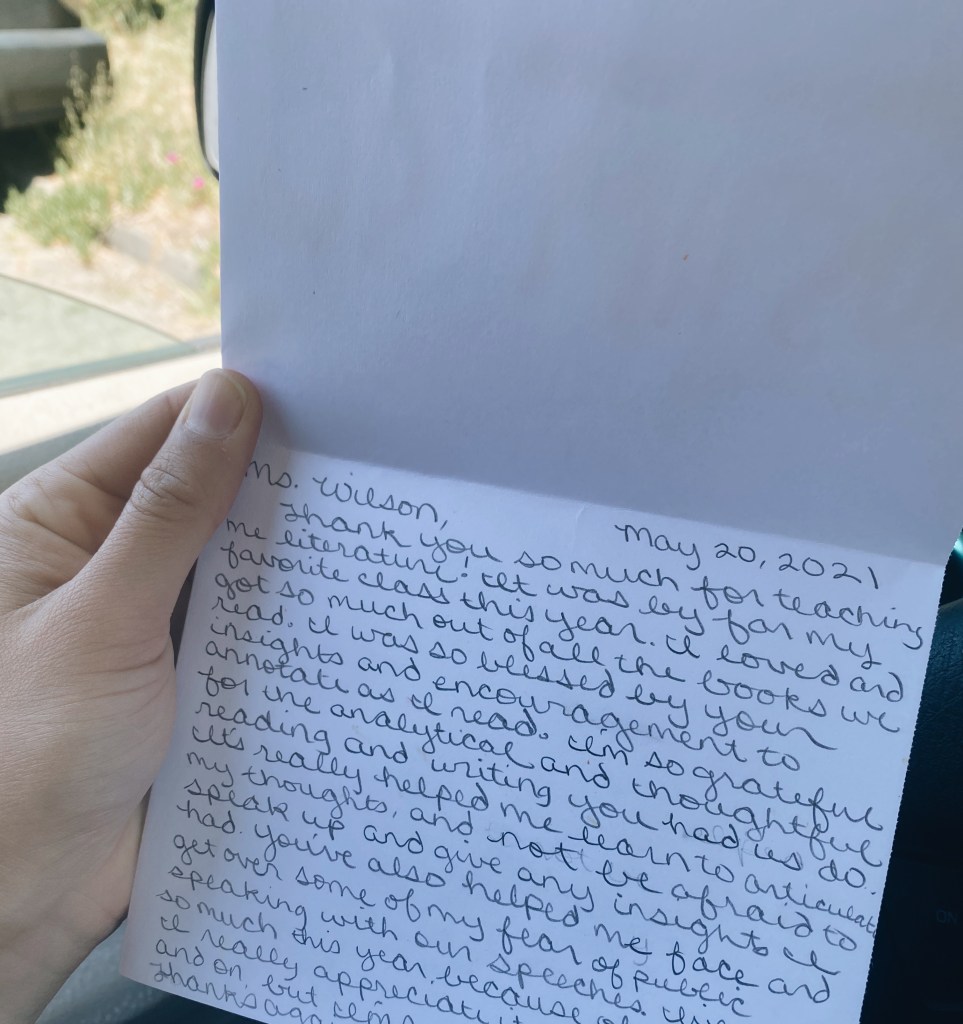
And thank the Lord, it wasn’t all gloomy! I’ll never forget our Philosophy block and how the 9th and 10th grade classes loved to get us off track with surprisingly fruitful discussions of what Heaven will be like, whether our pets will be there, and how we hope we’ll get to fly. I’m forever grateful to teach at a school so connected and small that taking students to discuss Dorthy Sayers at the nearby coffee shop was always an option. I’ll remember popcorn reading Chaucer in hushed tones in the lounge, watching in delight as the juniors genuinely laughed at the hilarious faults and foibles of Sir Topaz.
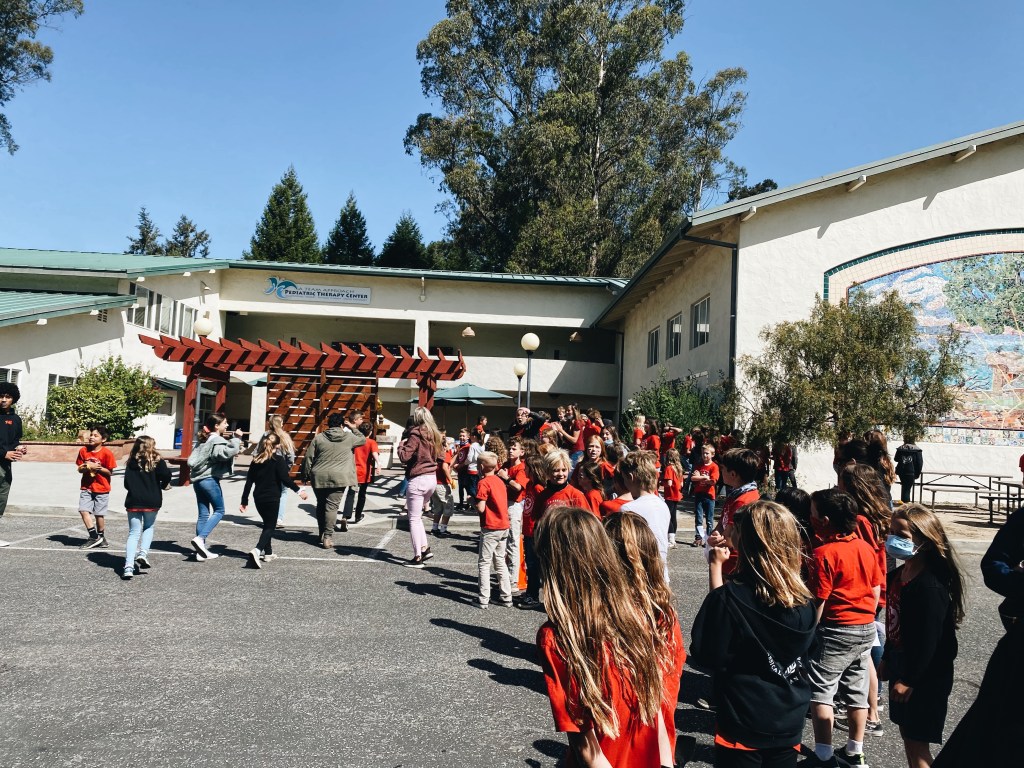
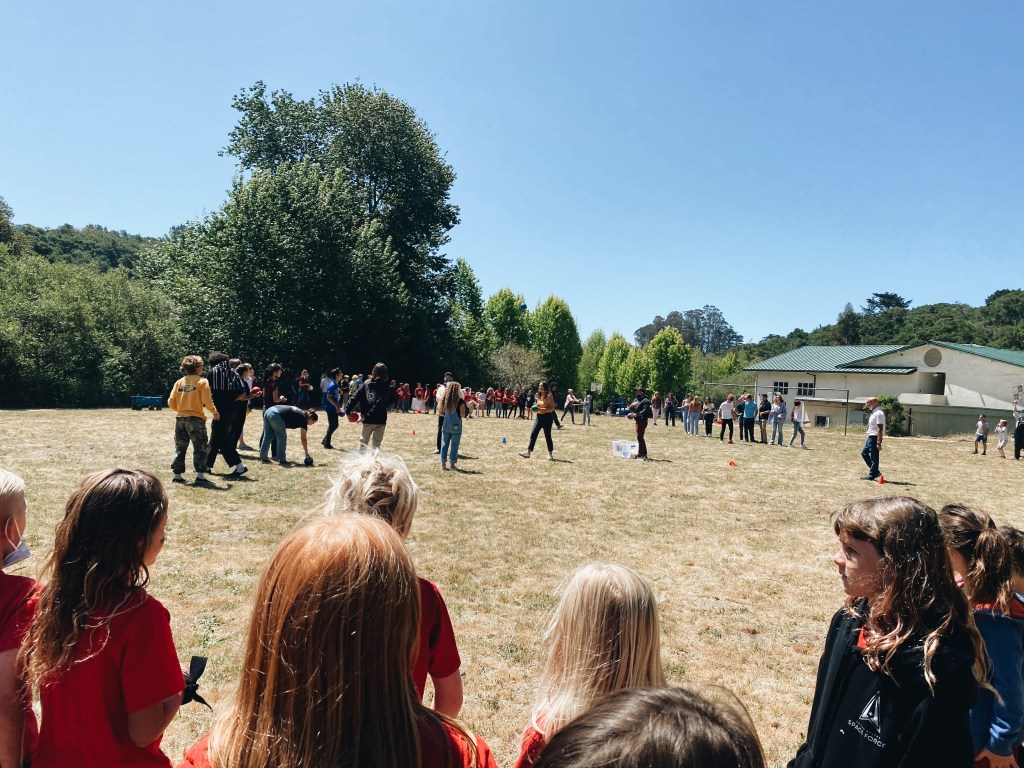
On the last day, my school celebrates Eschaton, which means “the end of the world” in the Greek (if you haven’t figured it out yet, Classical schools are just about reading old things and using them as fodder for inside jokes). It’s one huge field day complete with a tug of war, balloon toss, dunk tank, and an all-school dodgeball match. And, for the second time this year, all the grades were actually together, on one campus, laughing and playing, leading and being led. I watched one of my Sophomores lead the entire first grade in a chant as their tiny hands gripped the tug of war rope and saw the seniors being chased by a crowd of eight-year olds, their usually jaded expressions traded for grins. It was a day of togetherness and celebration and love and redemption. The pains of the year seemed to melt off as we played.
In the end we all stood on the field and sang the song that made me fall in love with this school in the first place: Nōn nōbīs, Domine, nōn nōbīs, sed nōminī tuō dā glōriam, or, “Not unto us, O Lord, not unto us, but to thy name give the glory” (Psalm 113:9).
After that song I packed up my things and left. The next day as the seniors graduated, the tune to Non Nobis rang again in my ears. Not to us, but for your glory, Lord. That’s what all of this has been about.
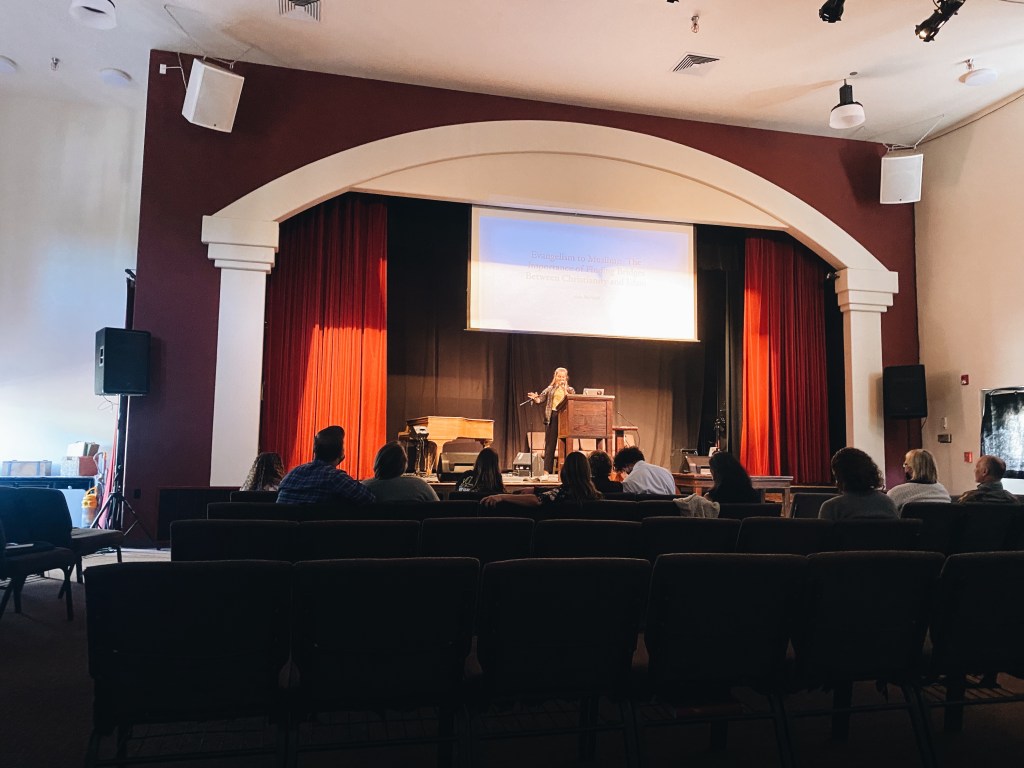
This year, this lost-on-the Congo, but-thank-heavens-Jesus-knows-the-way year was anything but what I had expected it to be, and I wouldn’t trade it or its many lessons of long-suffering and joy. In the new heavens, we are told that the darkness of the former world will pass away as the light of God becomes the sun (Rev. 21:23). I can’t really imagine what that will be like, but I do know that this life, this walk of faith, is inching its way toward that destination. And one day, as Samwise puts it in The Return of the King, all of the sad things will come untrue.
And so the year that was supposed to be a complete loss ended instead as an offering. I pray that I see every cloudy moment henceforth in this way.
For thine is
Life is
All to Him and His glory.

 Kayley Chartier