Well… So much for blogging each month! The last time I was on here, I was TWO DAYS away from being engaged. July 2021! Remember how I was very sick and Calvin took care of me? Well, turns out that he had ulterior motives… namely, to propose to me.
Basically, Calvin told me that if I was better by the end of the week, we could do something fun. Not one to take any illness of mine seriously miss out, I did everything I could to recover from what I have much reason to believe was that blasted Delta variant of old ‘Rona.
I ran each afternoon to get the phlegm out of my lungs, but I could only last for 5 minutes before my leaden legs gave out. I drank all the tea and slept on the couch all week. My taste was gone. My smell was gone. I honestly think it was the sickest I have ever been. The day we got engaged, I was wearing the same gray t-shirt for, I think, the third day in a row. My hair was three days unwashed, too. Ick.
I had the sneaking suspicion that we were going to get engaged that morning, but I quickly wrote it off. Calvin wouldn’t propose to me after I had been sick! Oh, but he would–and looking back, I know it was probably the only way I was going to be surprised.
And yet, none of that mattered when we were standing at the top of Moon Rocks, one of our favorite hiking spots, staring into each others eyes with the word “finally” on our lips. We were really doing this!
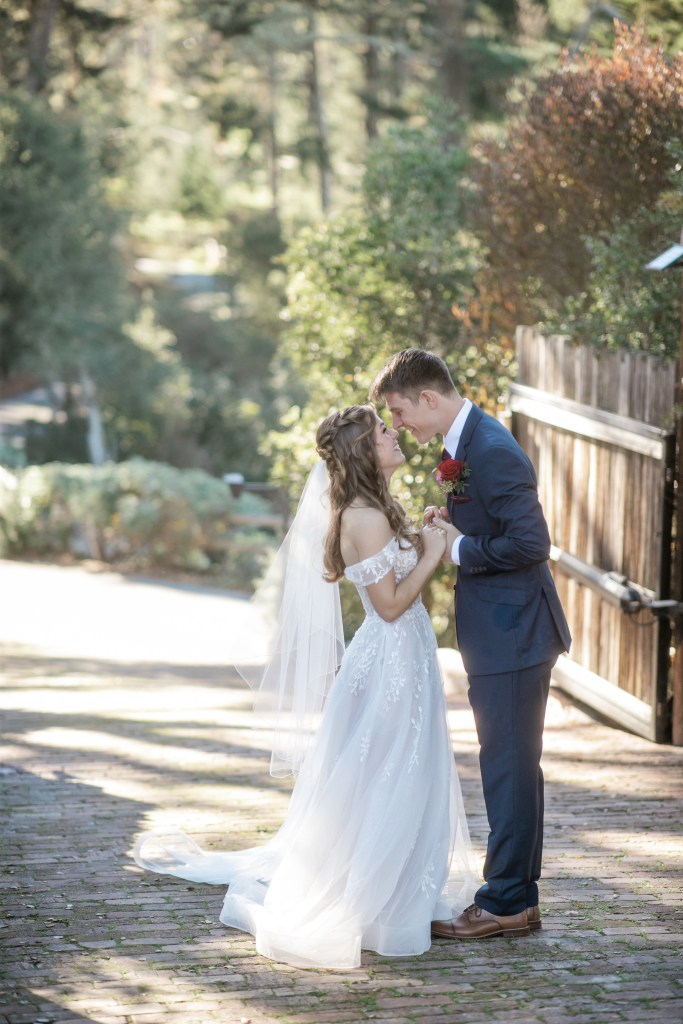
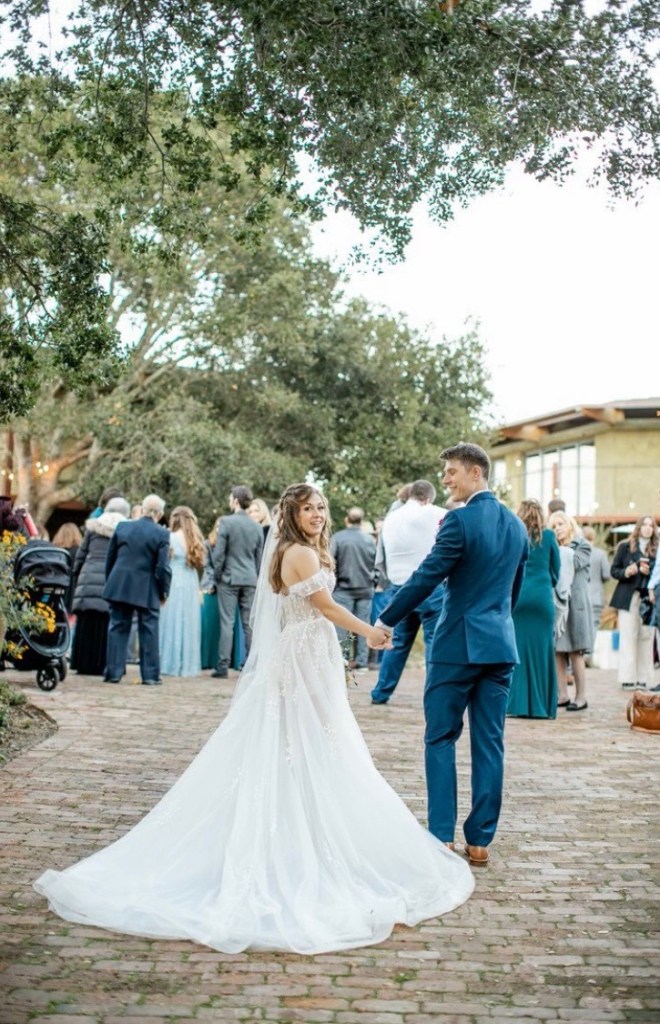
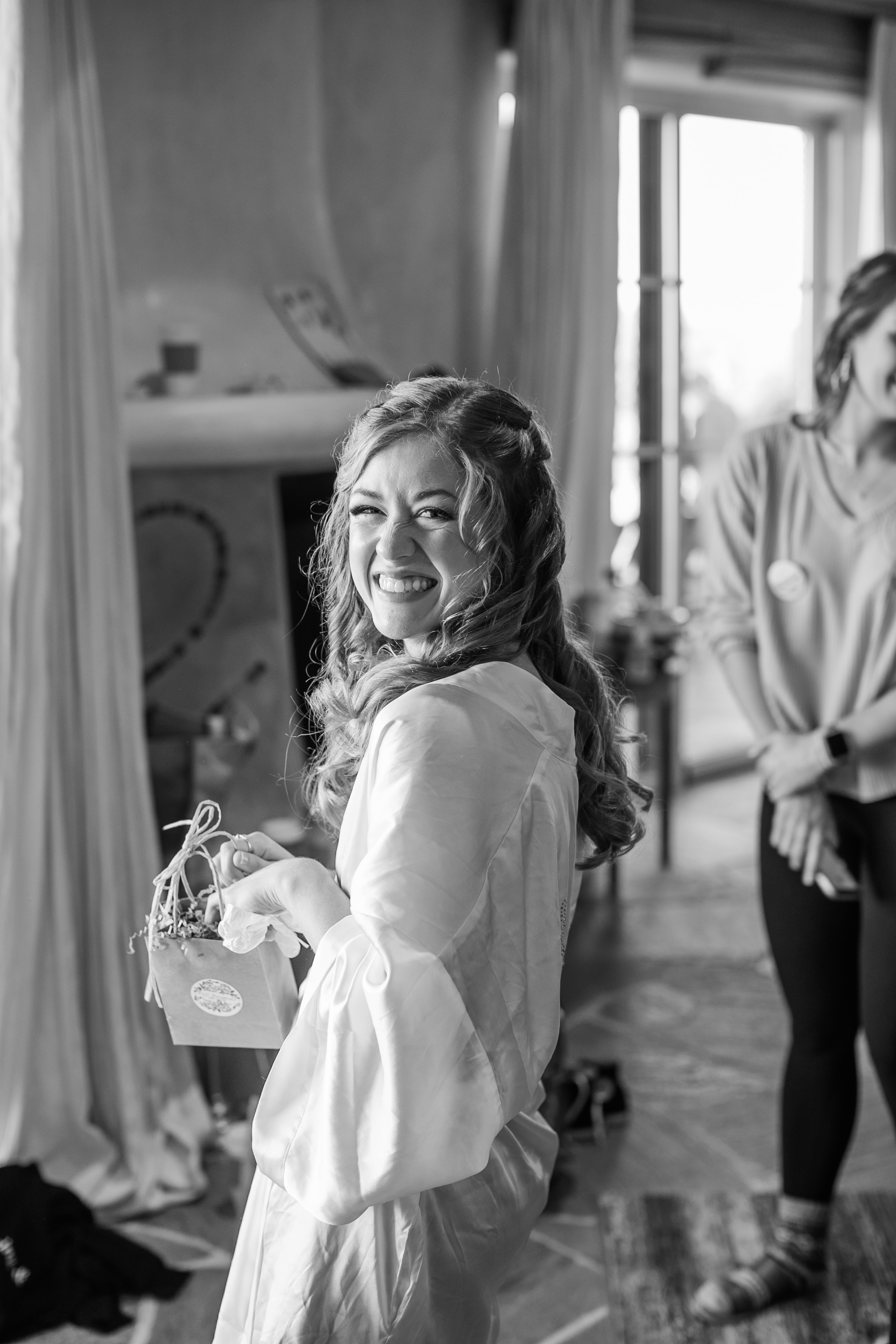
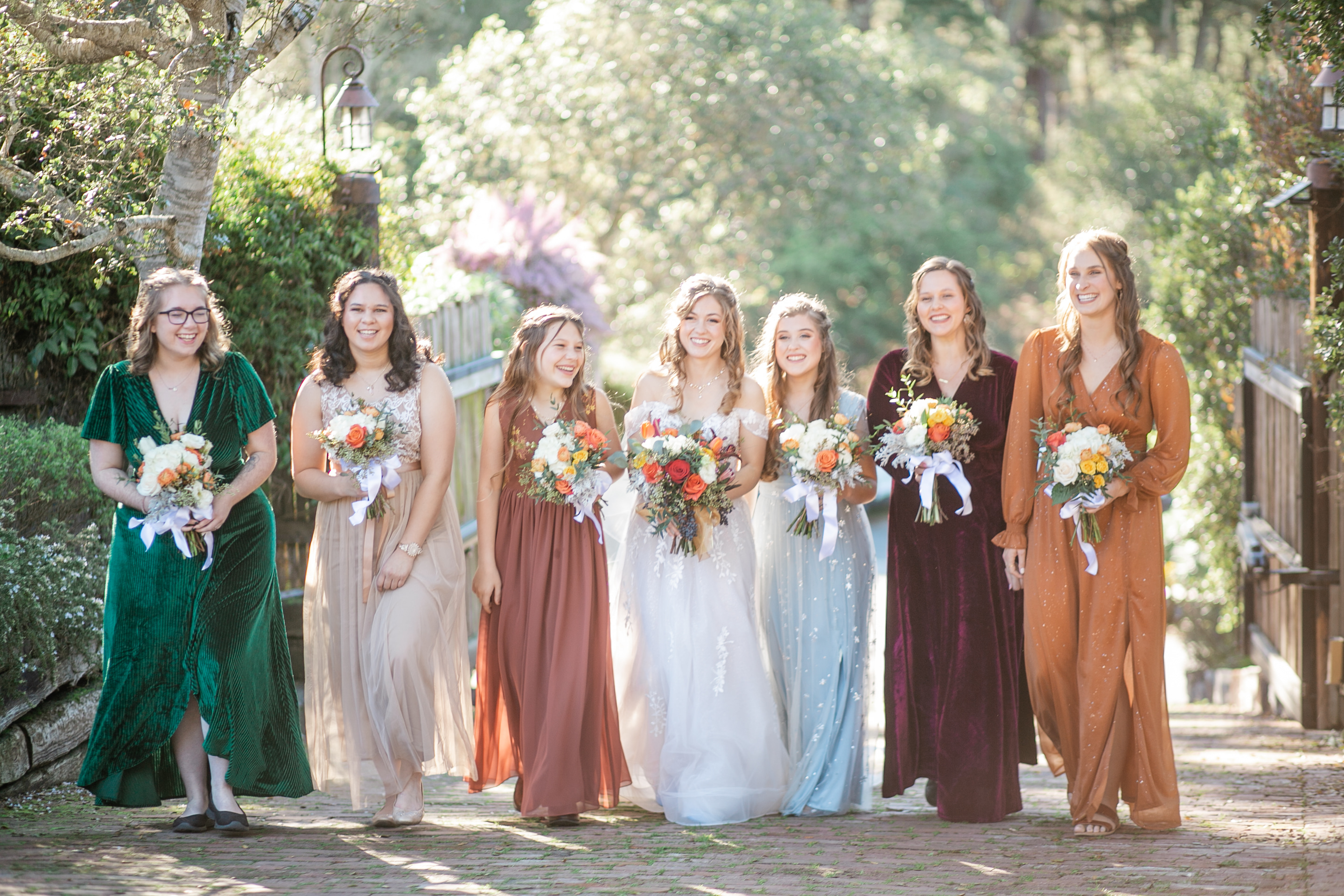
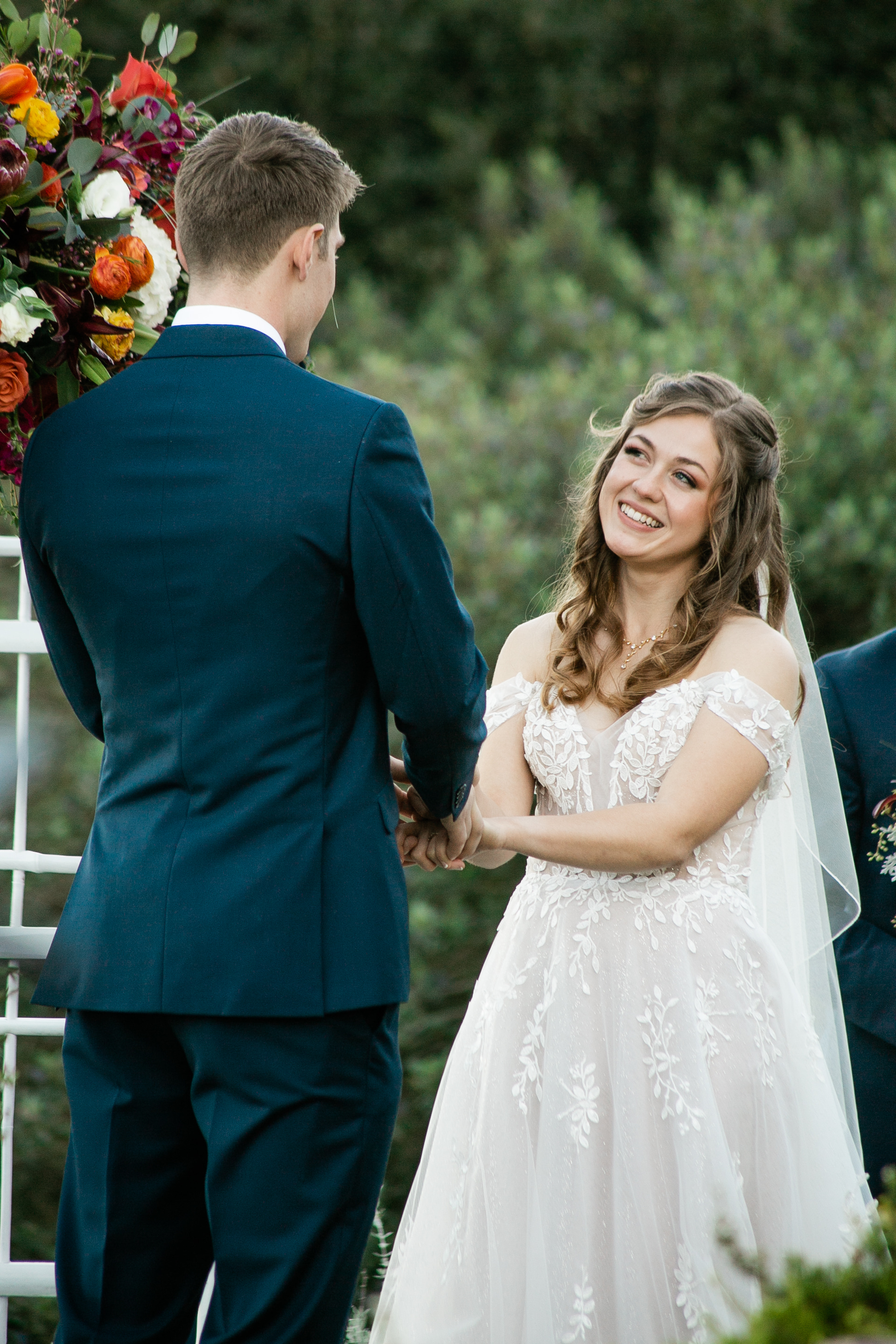
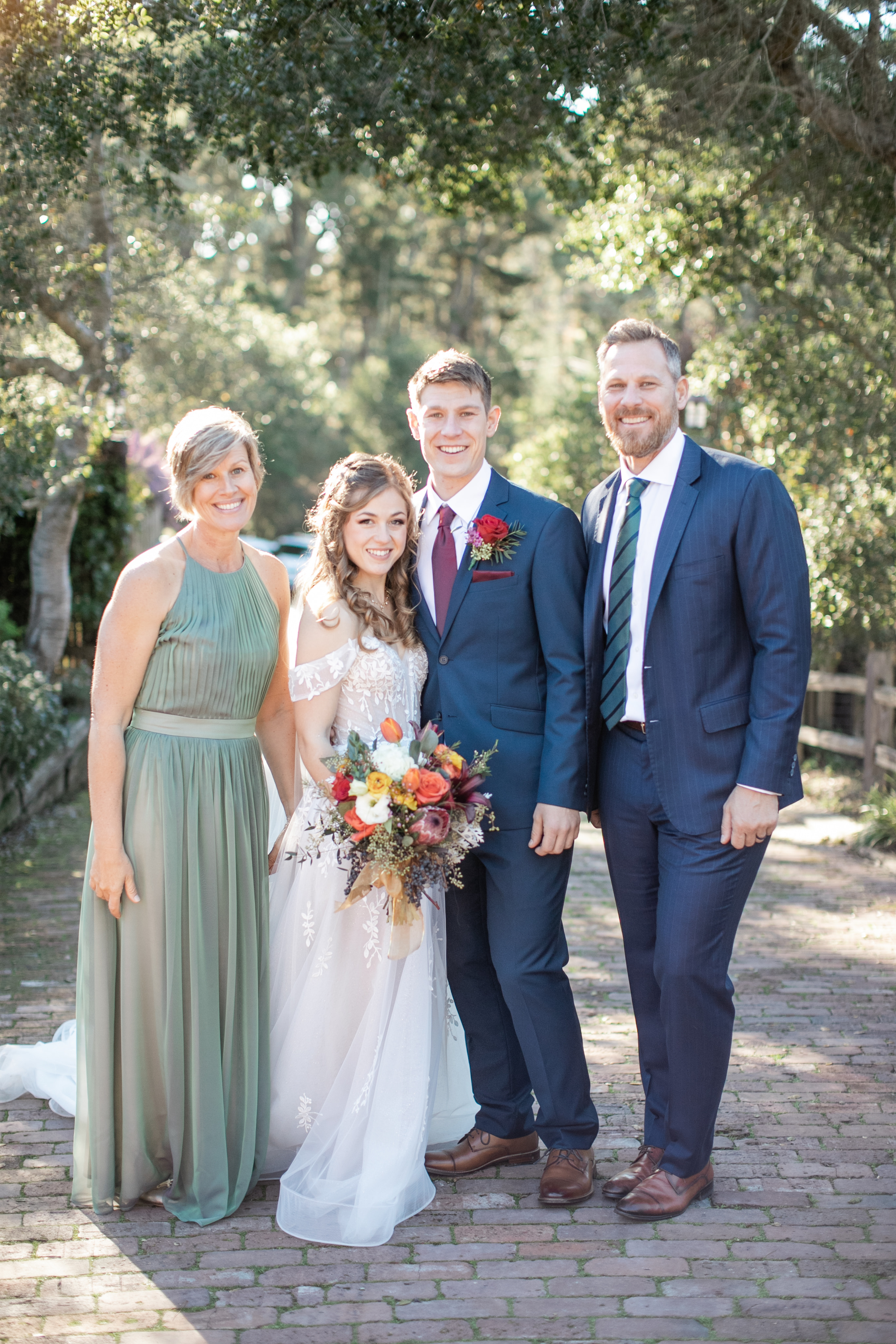
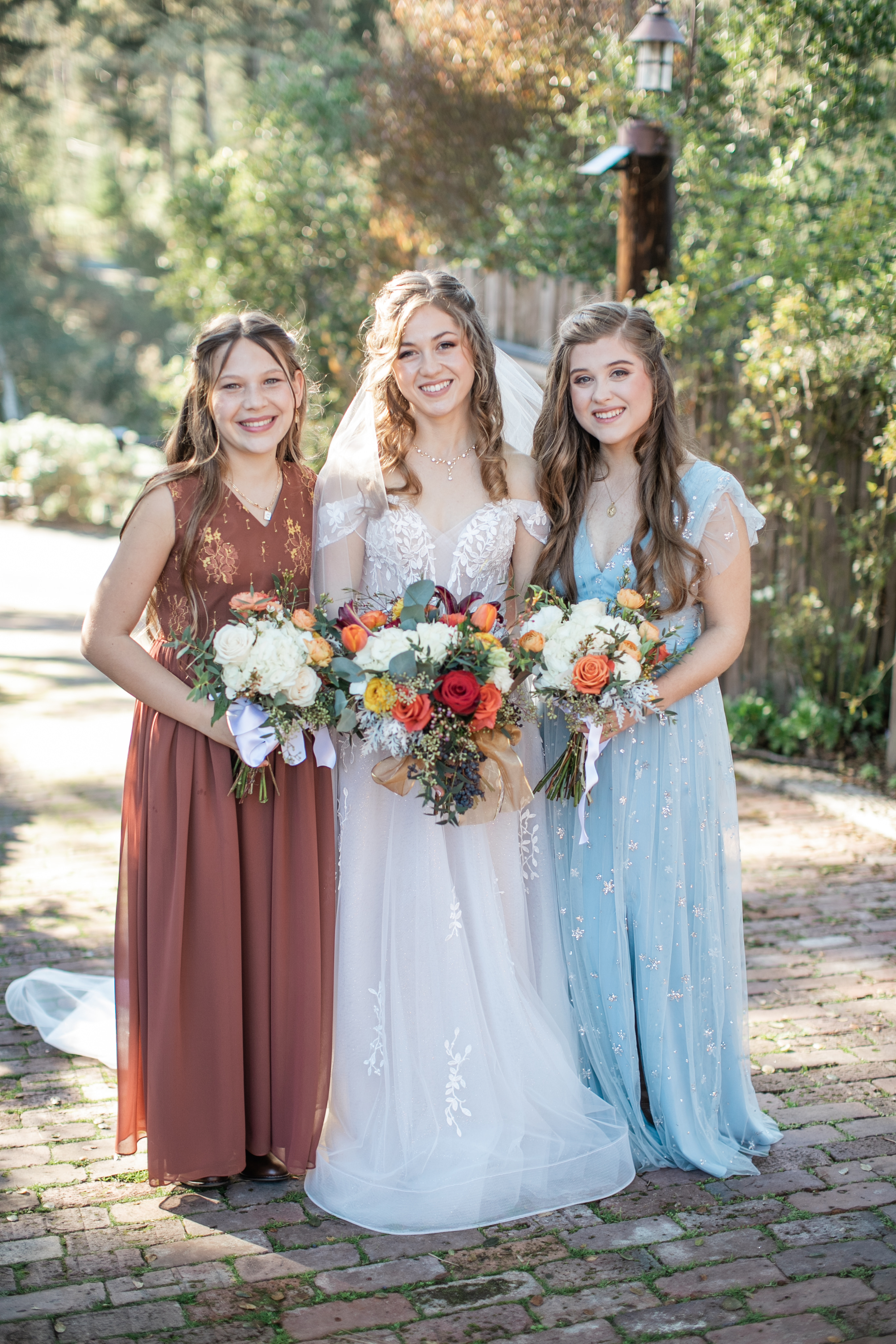
It’s been a whirwind in the best way. Three days after our engagement, I began my new job teaching High school English at my Alma Mater. I moved in with my two dear friends, Nick and Christina and got to live with them for a few months. Then I moved into our first studio in November (Calvin moved in after the wedding) and we were married in January!
Let me tell you: we cried like babies the entire day.
Some dear family friends generously gifted us a honeymoon trip to Kauai.
In everything, there have been trials, but as always, the Lord has shown himself to be so faithful and present. I have seen his goodness in new ways, his mercy flowing throughout to revive me in areas I didn’t even know were dead.
I could say much more about this almost-first year of marriage, but I will summarize it with the verse that has been mine and Calvin’s anchor since day one of our relationship:
“Seek first the Kingdom of God and HIs righteousness, and all these things will be added unto you.” Matthew 6:33
Rows and flows of angel hair And ice cream castles in the air And feather canyons everywhere I’ve looked at clouds that way
That was one of the first songs I learned on guitar, but the Hayley Westenra version since my hardcore My Jonie Mitchel phase wouldn’t pick up until halfway through college. I’ve always loved how Hayley’s voice and Jonie’s words communicate the sentimental sweetness and sadness of getting older and living life, passing from stage to stage and realizing that we know less than we thought.
June was sort of a clouds month where everything was not as I expected it. It included my recovery from the end of school, a solid week of purging my childhood room, a trip to Texas with Calvin’s friends and family, and most excitingly, my little sister’s engagement.
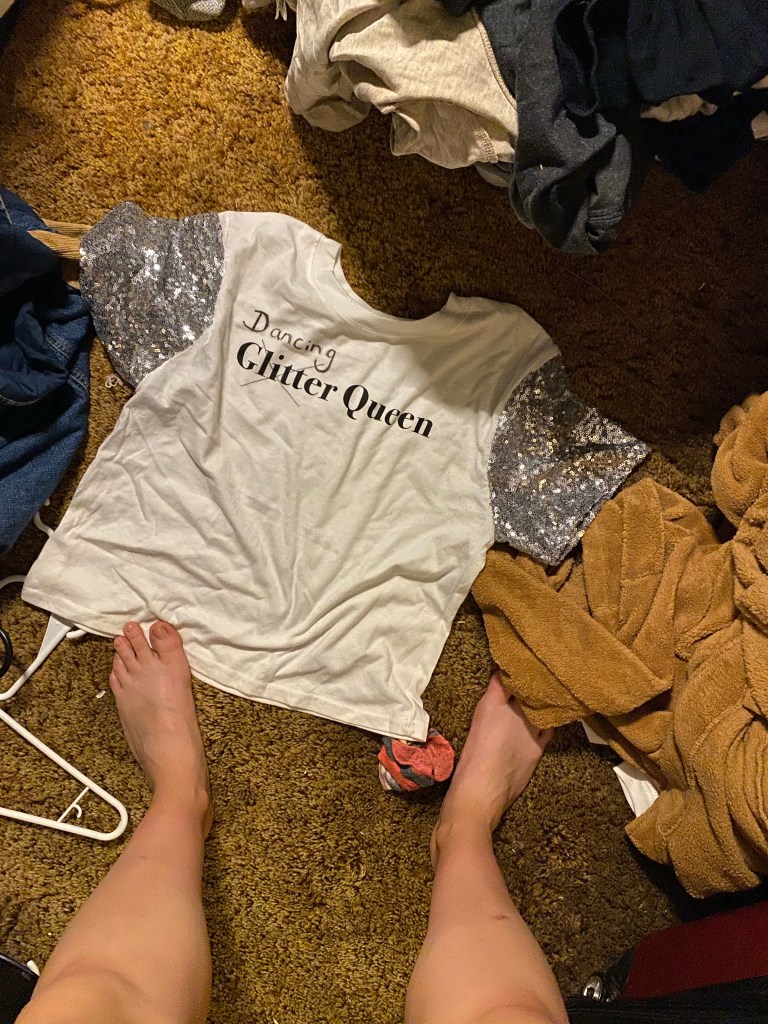
Starting with my room purge, which was technically at the very end of May, I didn’t realize how much stuff I had accumulated over the last 21 years of living in the same room. I’ve gone through it before, of course, but I couldn’t remember that last time I really purged. Calvin helped me a lot in this area. My problem with purging is that I usually start well, but then end up finding some letter from a 4th grade crush, or an old mitten I had been missing, or an 1800s book on Christmas pageants for children and suddenly I am completely engrossed and obsessing over that thing and don’t want to work anymore. Starting the summer with a clean(er) slate was refreshing, even if the giving up of a few sentimental things was hard. As Calvin reminded me, what I’m really sentimental about is the memories, not the material triggers for those memories. “And,” he said diplomatically after convincing me that I probably won’t be going to any Abba cover converts anytime soon, “You can always take a picture.”
Here we have a modified shirt from an Abba Cover band concert some friends and I went to. We were shamelessly sparkly.
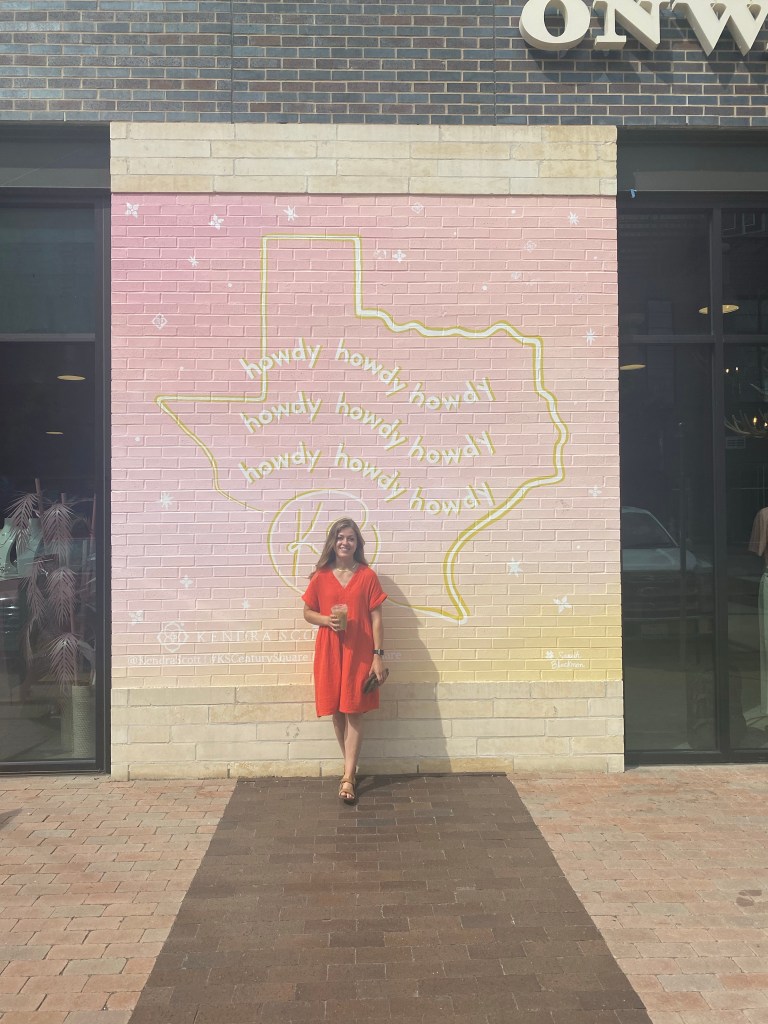
Wouldn’t you know it, he’d be regretting those words a few weeks later when I was taking pictures like my life depended on it Texas. We flew out on a Friday, held hands and leaned out the window for the four hours, excited and nervous (that was me) about all the fun and newness waiting there. Calvin hadn’t seen most of his family in 18 months, and I hadn’t seen them ever, so the trip was a big deal.
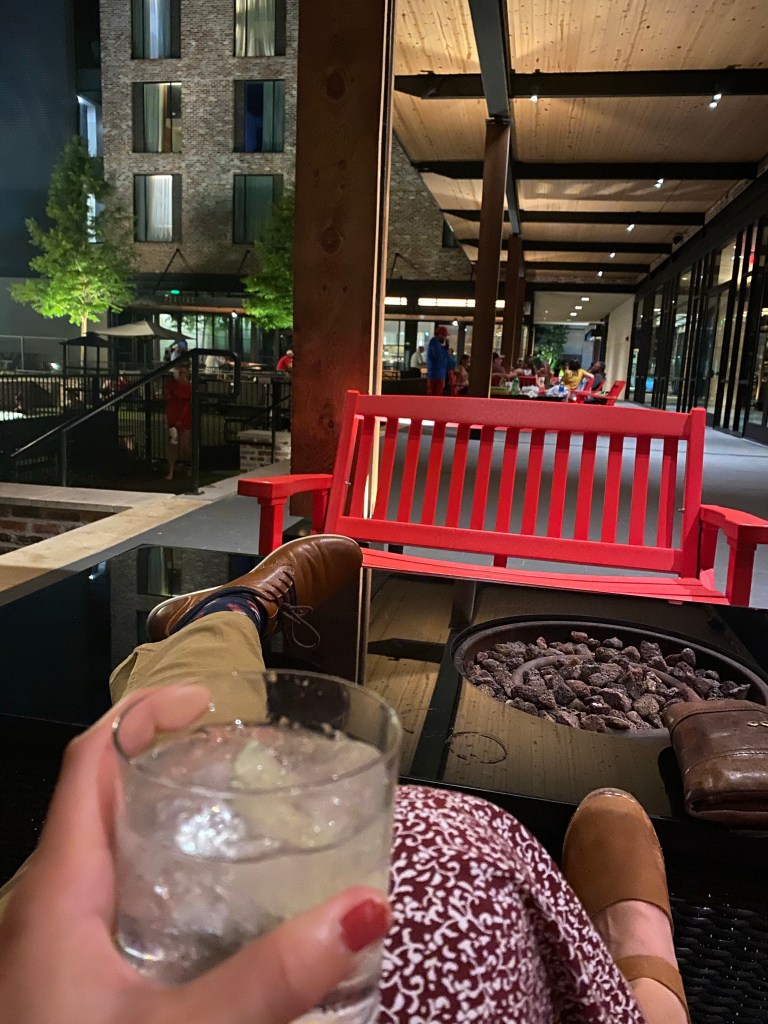
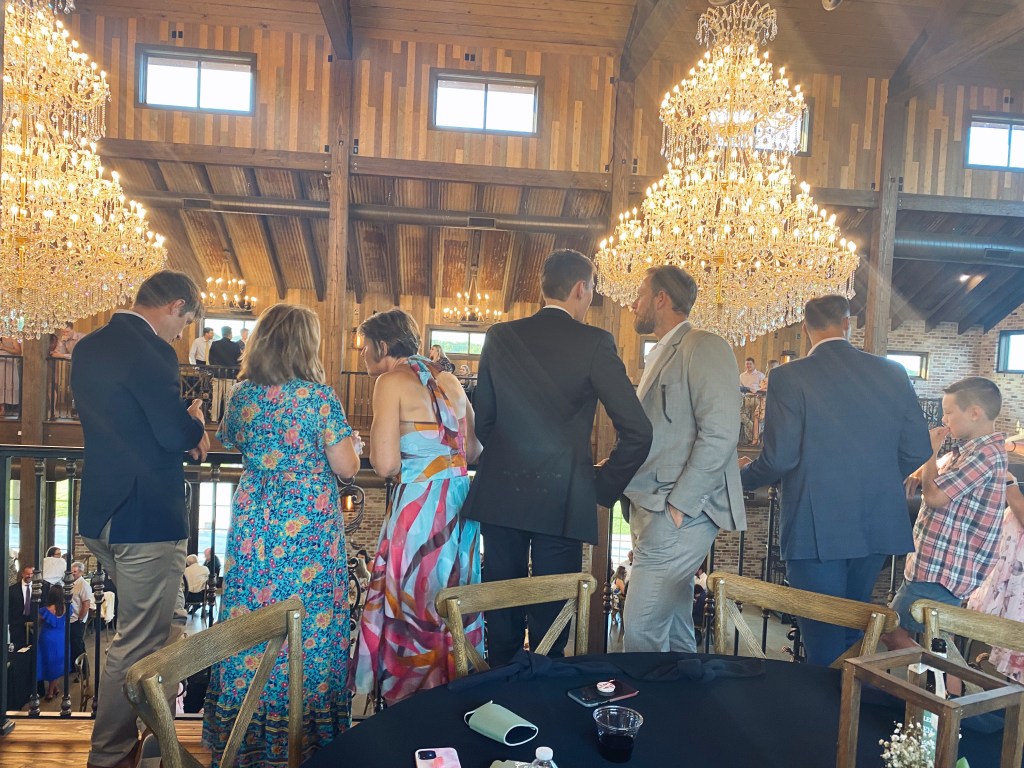
We attended a wedding, shopped at Buckee’s, had drinks at the hotel, visited George H.W. Bush’s memorial… but I think my favorite moments were spent in the pool, swimming and laughing (and burning) and just hanging out.
Texas was everything California is not in some really wonderful ways. I had never eaten brisket at a gas station, much less good brisket from the country’s largest and cleanest gas station (I ❤ u Buckee’s), and I had certainly never seen a place so incredibly flat. Calvin got to hear a little too much of that (“It’s so flat!”) as I was probably channeling all of my meet-the-family anxieties into commentary about the landscape.
Speaking of that, I don’t even know why I was so worried. I told Calvin the experience was a little like meeting celebrities. You’ve seen these people in photos and videos, and you know lots of stories about them, but you don’t really know how tall they are in real life or whether they’ll think your jokes are funny. The great thing about the family of Christ is that, hopefully there’s some grace for nervousness and awkwardness, and as long as you’re not a serial killer or something, they probably won’t object to you dating their son too much.
In all seriousness, though, they were wonderful and I love them so much. It’s always a special thing when you meet someone’s parents and see the similarities: the green in their mother’s eye’s and the music in their father’s laugh. I got choked up the last night of the trip because I hate goodbyes, but quickly realized that this experience was not like making a friend at summer camp. I’d see them again!
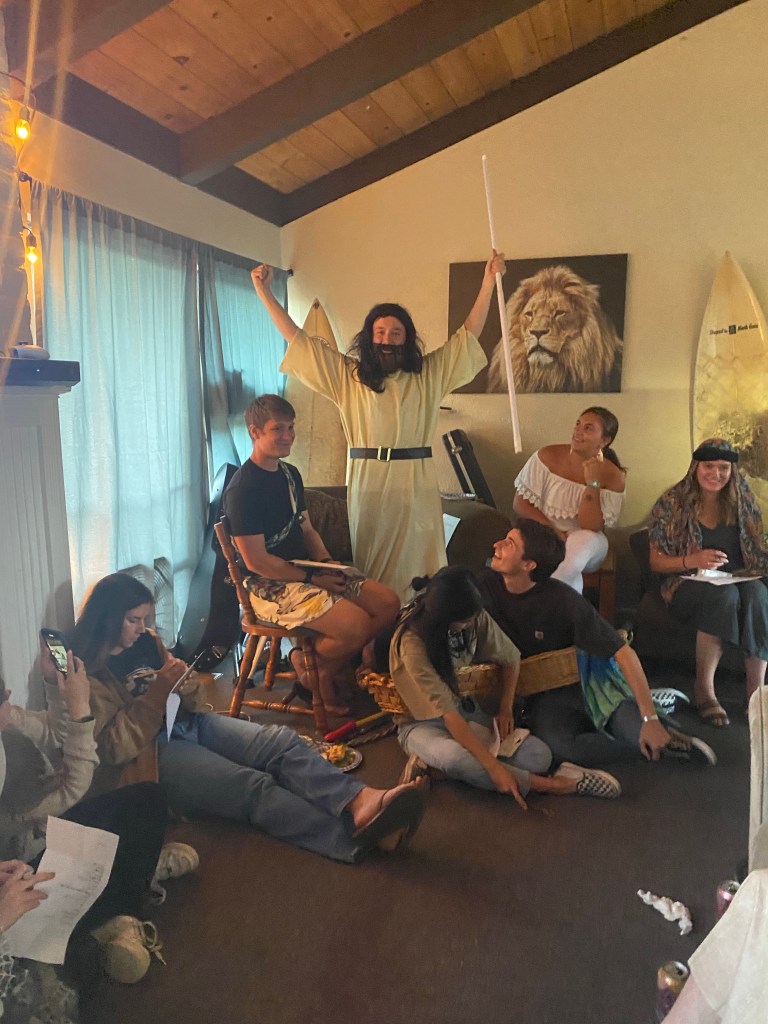
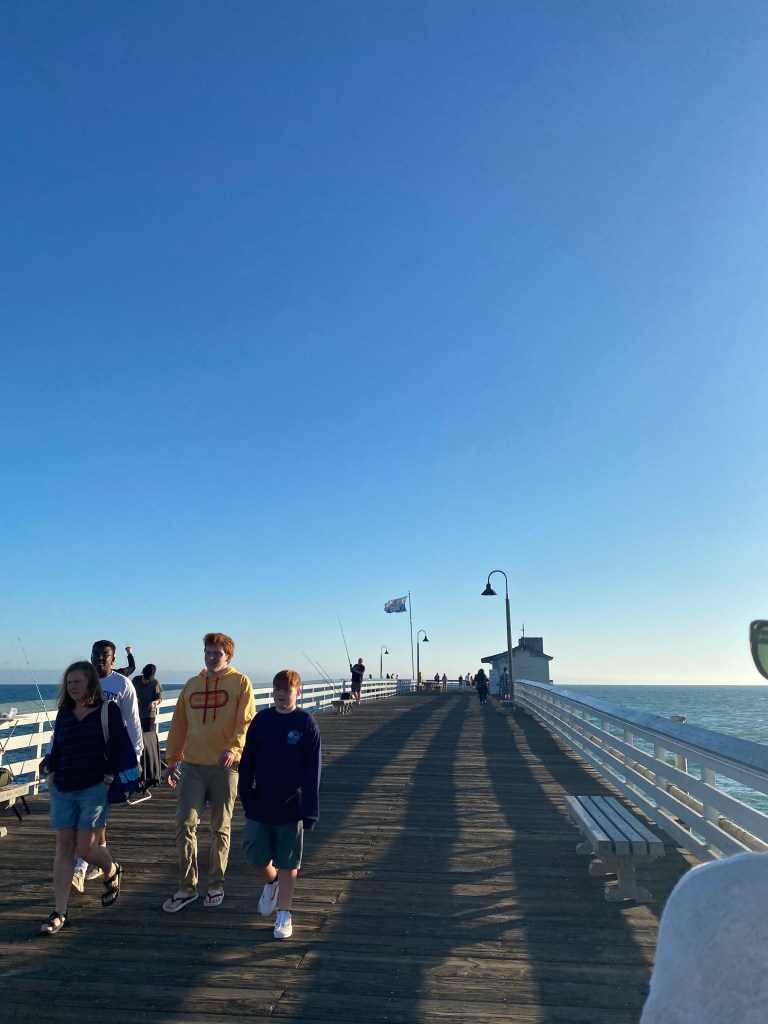
And I did! But not before my 25th birthday and Bible-themed birthday party! Then before I knew it, we were traveling again—this time to San Clemente and San Diego. There I met more family—aunts and uncles and grandparents and cousins. I was shown even more kindness and generosity and warmth, and I probably ate my weight in TJ’s chocolate cat cookies. That’s never a bad thing in my book.
And then, as if we hadn’t taken enough trips this summer, the product of my scheming… Disney!
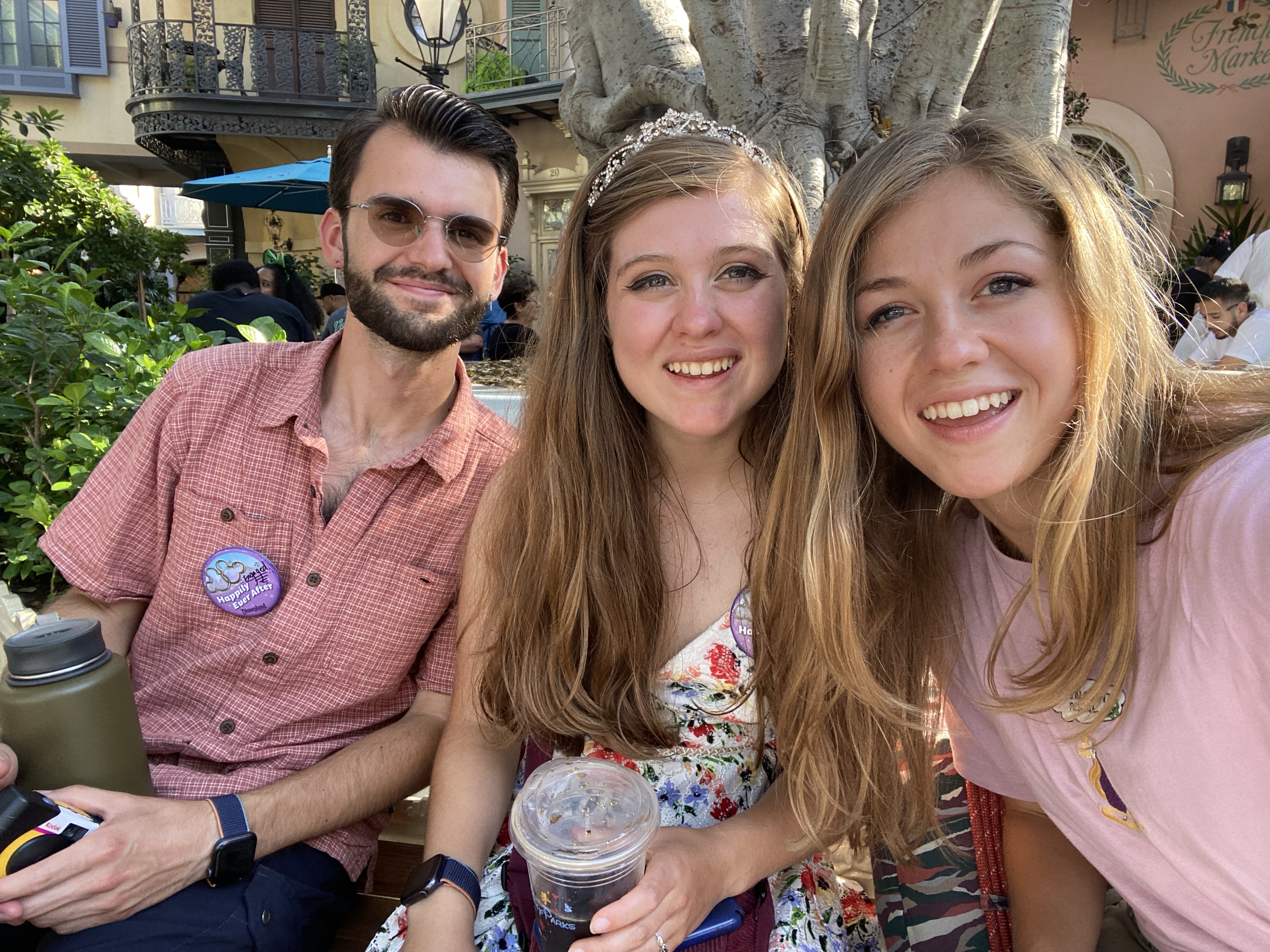
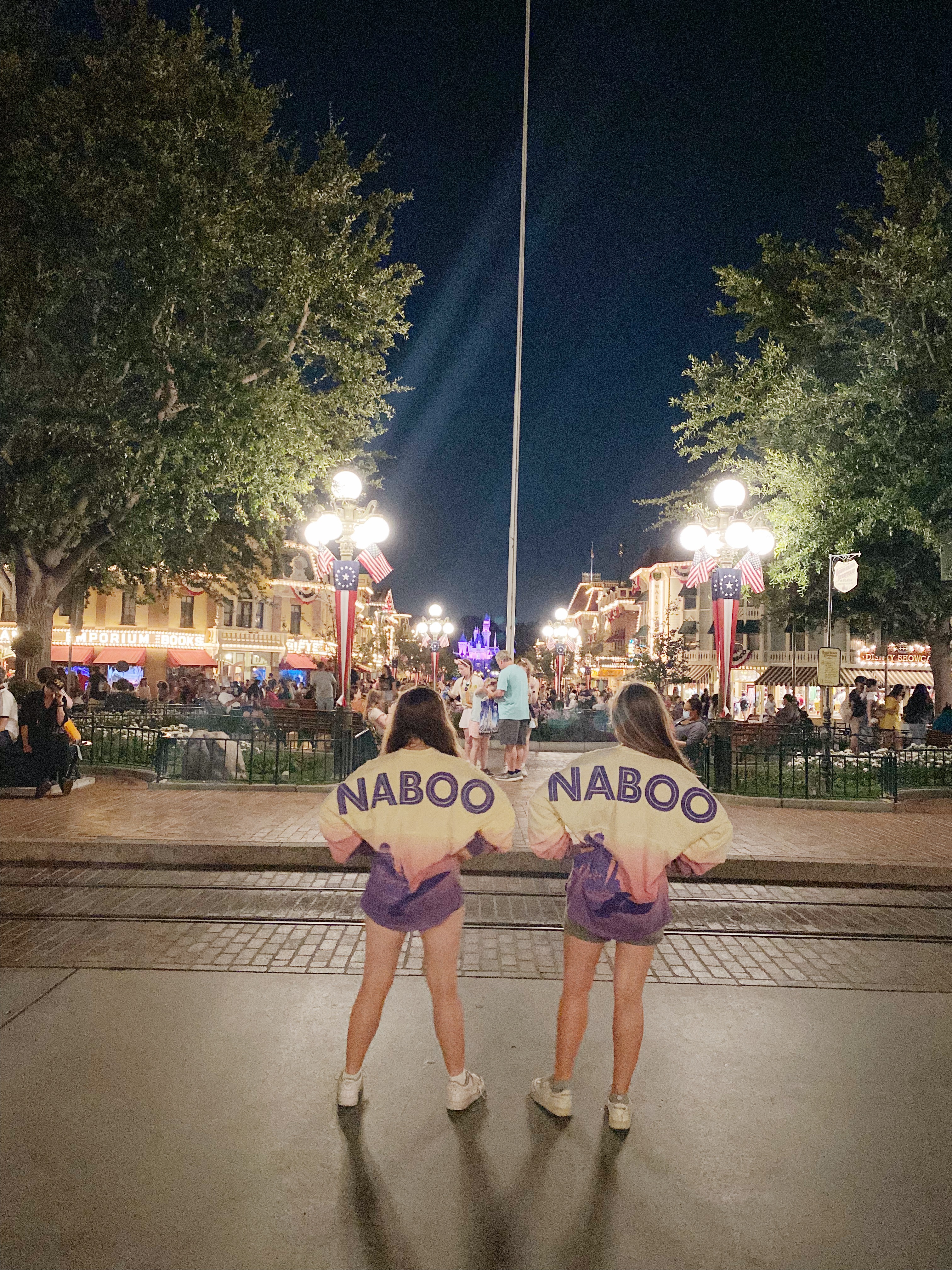
A week or so before the school year ended, I decided to harass call Calvin at 7:00am to pick his brain on the idea of going to Disneyland in a message that went something like, “HEY, are you awake? Also, do you want to do something kind of insane? Like go to Disneyland at 25% capacity? Like go to Disneyland this summer?” I was not exactly stable that week and I’m still a little surprised I pulled off my bid. Within the hour, myself, Calvin, my sister and her fiancé, Calvin’s brother, and his girlfriend were all signed up to go. A few months later and we were there on my hair-brained excursion, soaking in all the Disney goodness.
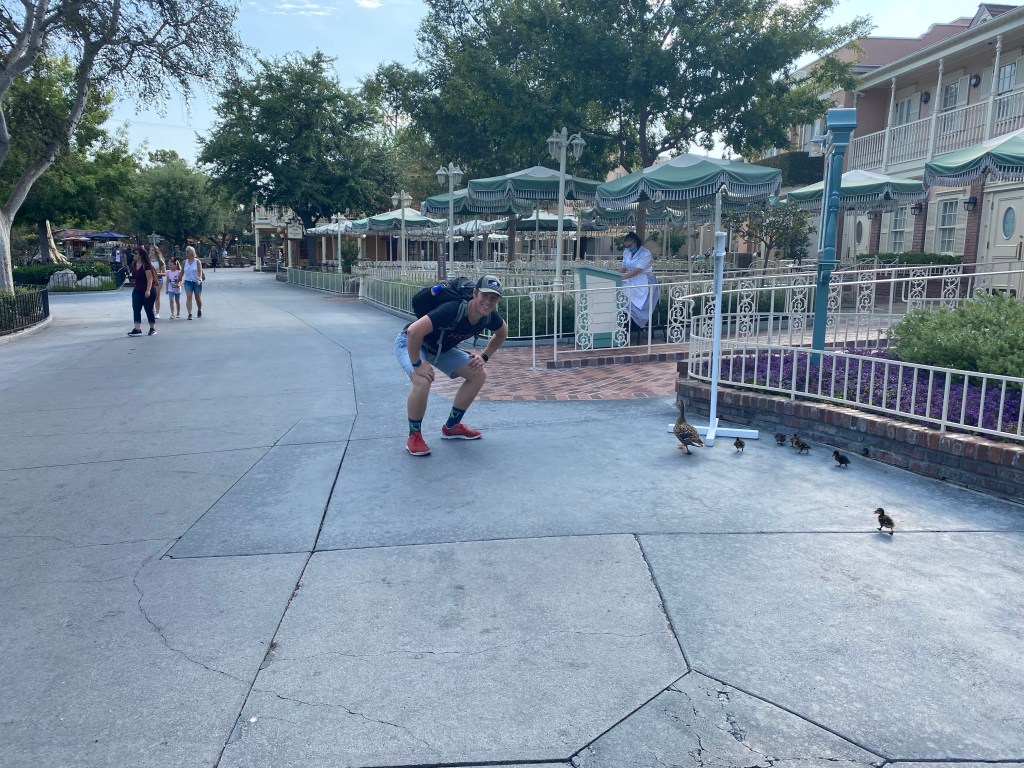
He made me take this. Gadget’s Go-Coaster, #3 best ride in the park.
Getting on the new Star Wars ride twice was pretty fantastic, but the ride that stood out to me the most was a small one tucked so far back into the park that I had basically forgotten about it.
Two hours before the park closed, I asked Calvin if we could veer off for a bit. Our group had been doing great staying together and finding the shortest wait times for rides that we had conquered all the greats: Space, Splash, Big Thunder, and Matterhorn mountains. But what we hadn’t done was what I had been describing all day as, “the princess thing.” Basically, I wanted to be 8 and walk through Fantasyland, but I wasn’t going to subject the whole group to it. Calvin quickly obliged and sent the others on their way to ride Pirates a second time, and we headed off toward the pink castle. After searching and failing to find a short wait-time, we stumbled into Toontown 20 minutes before closing and queue’d up for “Gadget’s Go-Coaster.”
“I’m sorry about this,” I said, gesturing at the tiny coaster. A mom and three kids under 6 were hustling into the ride loading-station in front of us. “It’s not the best ride here.”
“What are you talking about?” he laughed, “Everyone knows that there are three great rides in Disneyland: Space Mountain, Thunder Mountain, and Gadget’s Go-Coaster.” Man, I knew I loved him.
I sit here happily reminiscing on all of this with maybe a cold, maybe COVID, maybe that scary Delta variant… I don’t know. I’ve been out of commission for the last three days and at this point I don’t care what it is, I just want to smell again. Calvin had already been sick with this the week before and so, after getting off from working two jobs on Monday, he came to my house to watch movies and help me bring my fever down. Even this morning as I sat on the bed, crying from the aches and pains that just would not stop, he held me, prayed for my healing out loud, then went and ran me a shower. God has really blessed me with this man and I’ll love him forever.
Five movies in, totally wiped, can’t smell a thing, but at least my nurse is cute.
And now, everything changes. In a couple of weeks I will stand in front of a new group of students in a new school and I’ll move into a new house. But Summer has been so rich and I’m reminded in fresh ways that the God of the harvest will be faithful in the Fall and the Winter, too, no matter what clouds come my way.
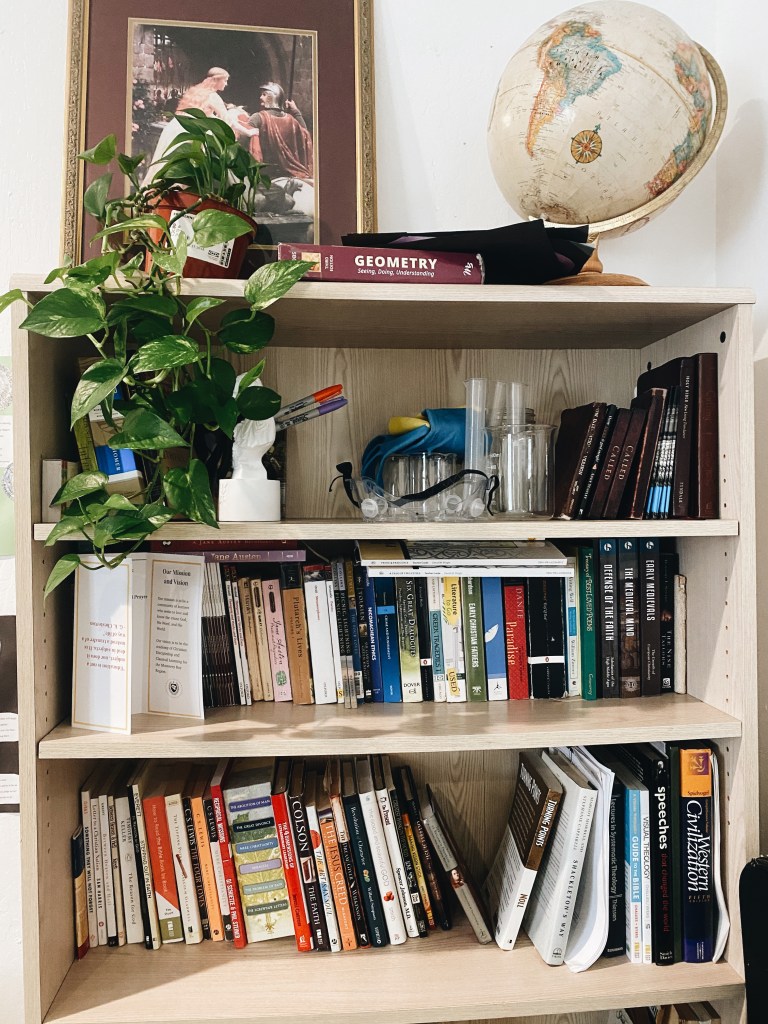
In my senior English class I began the year, somewhat foolishly, by teaching Joseph Conrad’s Heart of Darkness. Even more foolishly, I chose to close the section out with T.S. Eliot’s “The Hollow Men.” You can imagine the strained, confused looks as we read the final lines of the poem, which continues to baffle even the best readers:
For Thine is
Life is
For Thine is the
This is the way the world ends
This is the way the world ends
This is the way the world ends
Not with a bang but a whimper.
The poem’s end imitates the children’s song, “Here We Go Round the Mulberry Bush,”–the combination of post-war disillusionment and cheery childhood creating an unsettling hymn.
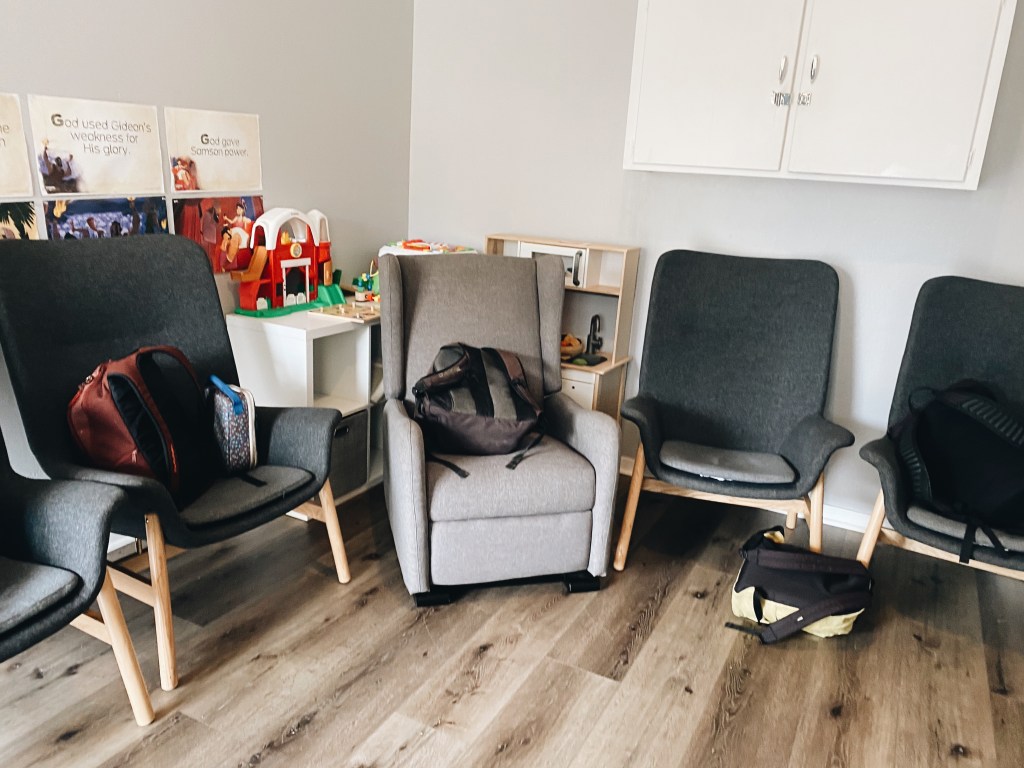
This is the room I taught seniors in for more than half of the year. We shared a space with a church and this was a nursery. God bless those students for their flexibility.
That’s how the 2020-2021 school year seemed poised to go. After the chaos of 2020, I fully expected to hack my way through the jungles of Congo until summer when I could spend the next three months in hibernation. The jungle part turned out to be partly true, what with being isolated from grades 1-8 on a campus across town (I liked to call our little highschool campus “the colony”) for social-distancing at the beginning of the year, abrupt changes in staff, Santa Cruz literally catching on fire in the fall, sickness, masking protocols, not to mention battling my own case of impostor syndrome.
The last day of classes was “farmer and flannels day.” As a very serious Prunedalian, I showed up. 😂
In terms of my teaching experience and progress, I couldn’t help but resonate with Eliot’s “not with a bang” for much of the year. I could have been more patient and more understanding. At times I felt like my age and my inexperience were a giant, obvious billboard, and in my pride I attempted to cover myself with hardness. I know myself to be too careful and too avoidant to take risks, but God was merciful enough to let me fail so miserably that my only recourse was to cling tightly to Him. There were times that I felt the deep comfort in sensing that my strengths, and even more miraculously, my weaknesses were being used in ways specific to my story and personality. I felt the honing and humbling of God’s Spirit on me as I tried and failed many times to do well. I sensed His quenching and comforting, His gentle correction and love that inspired me to love. I became like George Herbert’s broken altar, forged with tears, as the Lord taught me to surrender my heart through the pain and the joy.
And thank the Lord, it wasn’t all gloomy! I’ll never forget our Philosophy block and how the 9th and 10th grade classes loved to get us off track with surprisingly fruitful discussions of what Heaven will be like, whether our pets will be there, and how we hope we’ll get to fly. I’m forever grateful to teach at a school so connected and small that taking students to discuss Dorthy Sayers at the nearby coffee shop was always an option. I’ll remember popcorn reading Chaucer in hushed tones in the lounge, watching in delight as the juniors genuinely laughed at the hilarious faults and foibles of Sir Topaz.
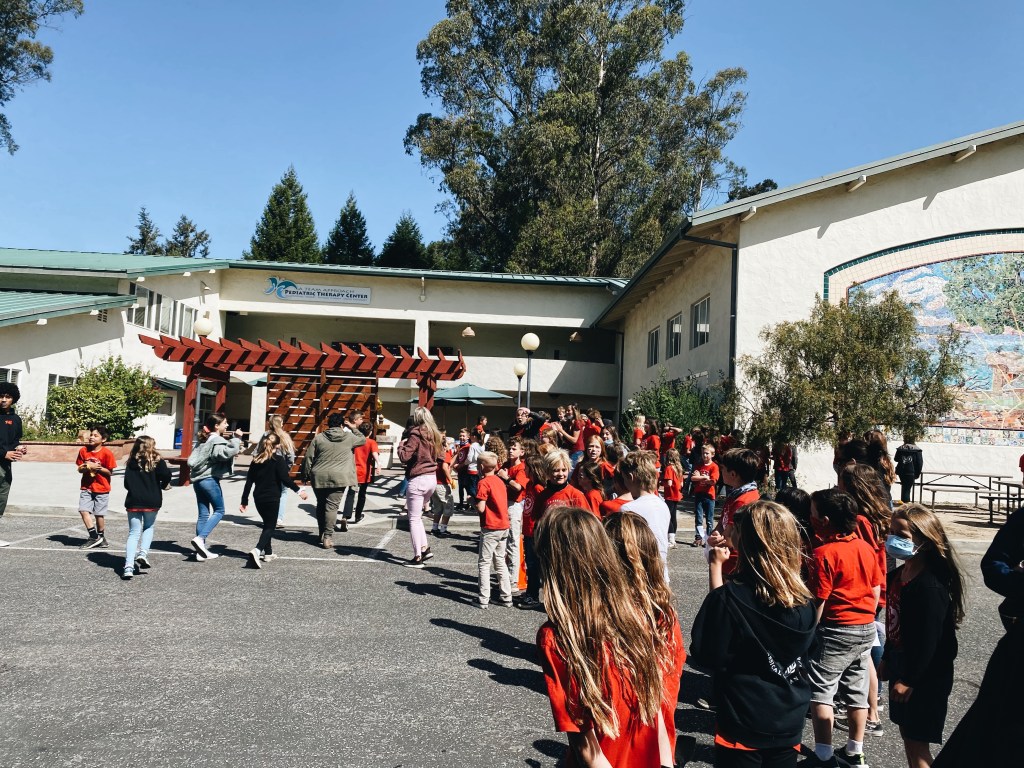
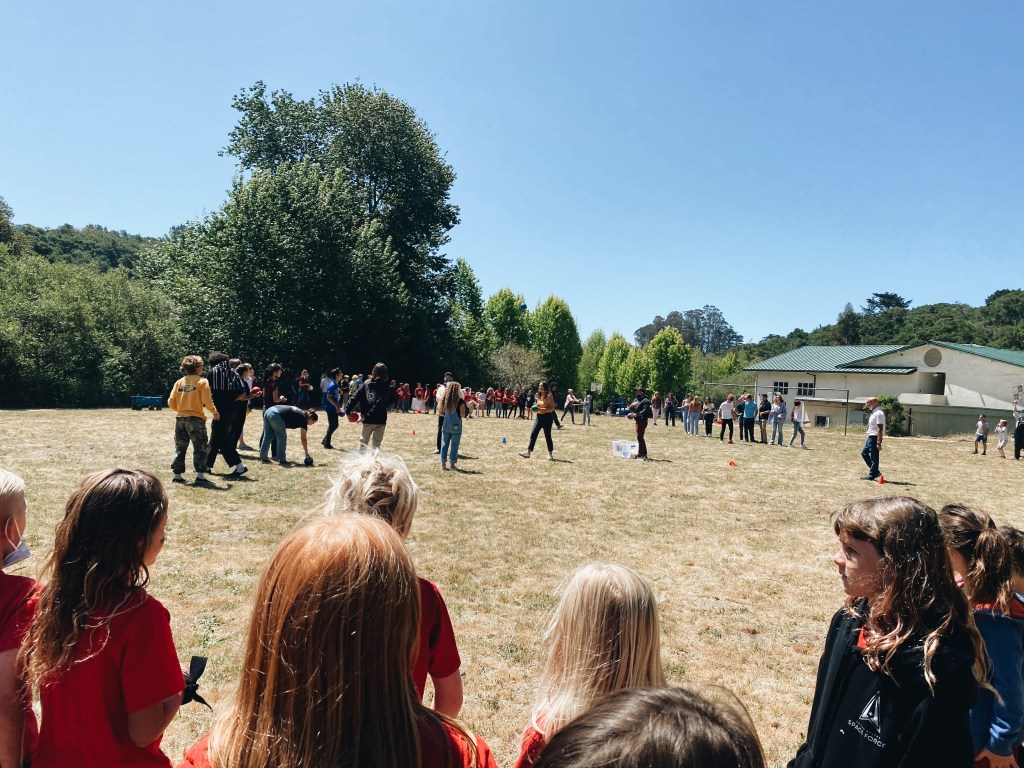
On the last day, my school celebrates Eschaton, which means “the end of the world” in the Greek (if you haven’t figured it out yet, Classical schools are just about reading old things and using them as fodder for inside jokes). It’s one huge field day complete with a tug of war, balloon toss, dunk tank, and an all-school dodgeball match. And, for the second time this year, all the grades were actually together, on one campus, laughing and playing, leading and being led. I watched one of my Sophomores lead the entire first grade in a chant as their tiny hands gripped the tug of war rope and saw the seniors being chased by a crowd of eight-year olds, their usually jaded expressions traded for grins. It was a day of togetherness and celebration and love and redemption. The pains of the year seemed to melt off as we played.
In the end we all stood on the field and sang the song that made me fall in love with this school in the first place: Nōn nōbīs, Domine, nōn nōbīs, sed nōminī tuō dā glōriam, or, “Not unto us, O Lord, not unto us, but to thy name give the glory” (Psalm 113:9).
After that song I packed up my things and left. The next day as the seniors graduated, the tune to Non Nobis rang again in my ears. Not to us, but for your glory, Lord. That’s what all of this has been about.
This year, this lost-on-the Congo, but-thank-heavens-Jesus-knows-the-way year was anything but what I had expected it to be, and I wouldn’t trade it or its many lessons of long-suffering and joy. In the new heavens, we are told that the darkness of the former world will pass away as the light of God becomes the sun (Rev. 21:23). I can’t really imagine what that will be like, but I do know that this life, this walk of faith, is inching its way toward that destination. And one day, as Samwise puts it in The Return of the King, all of the sad things will come untrue.
And so the year that was supposed to be a complete loss ended instead as an offering. I pray that I see every cloudy moment henceforth in this way.
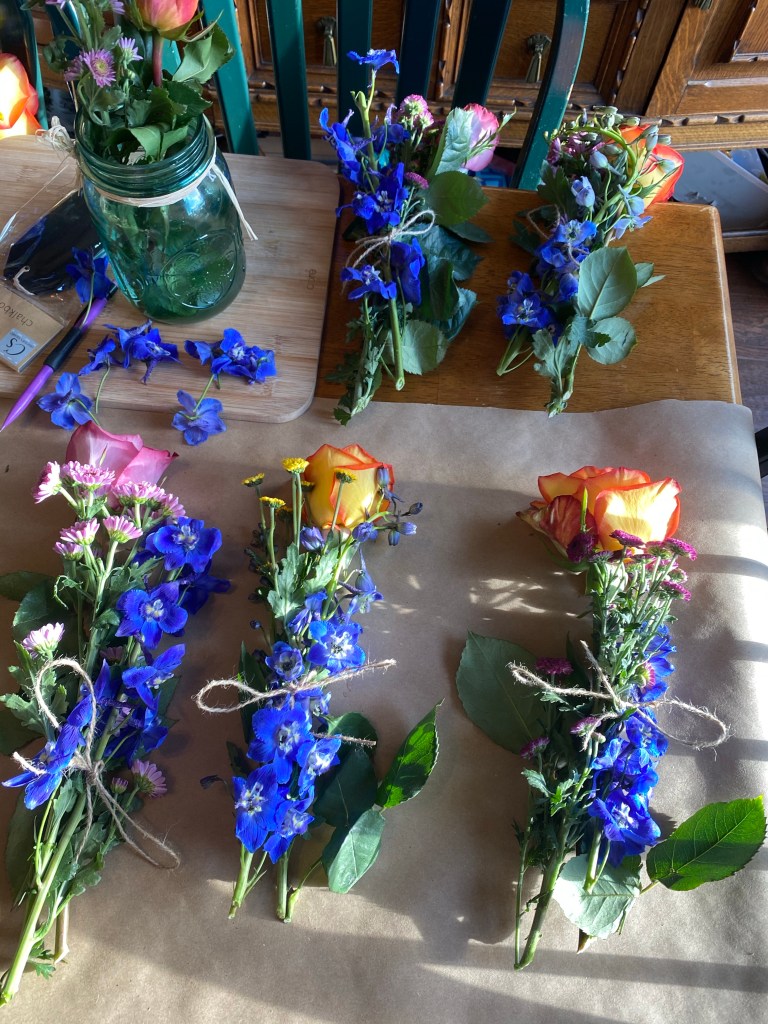
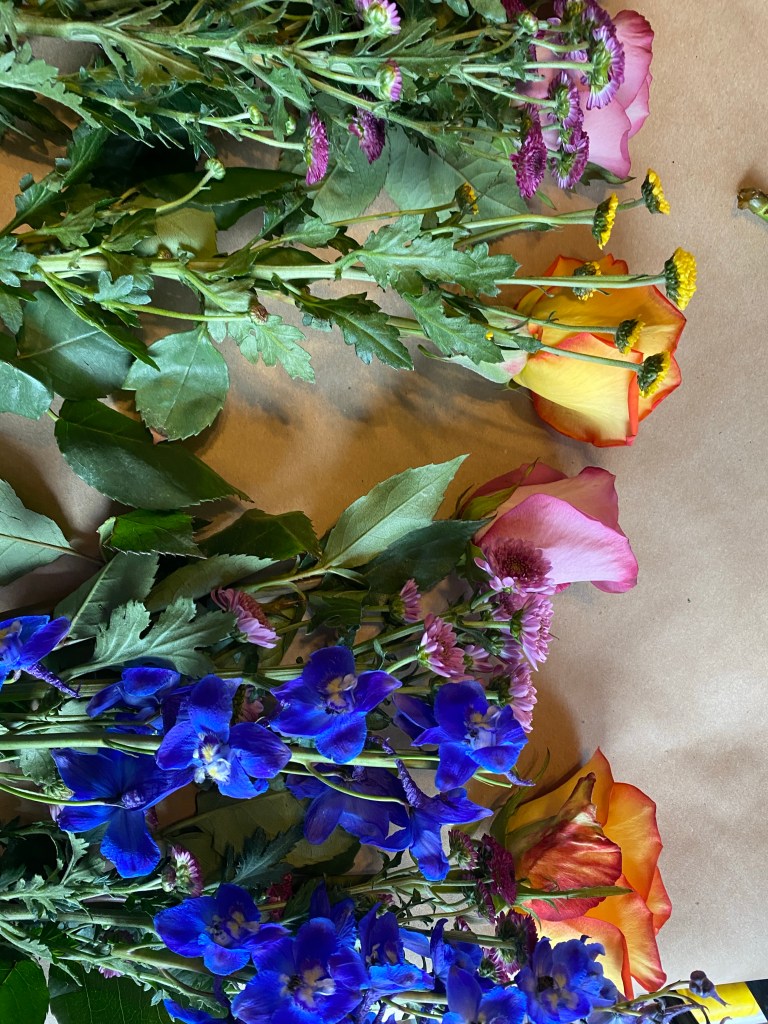
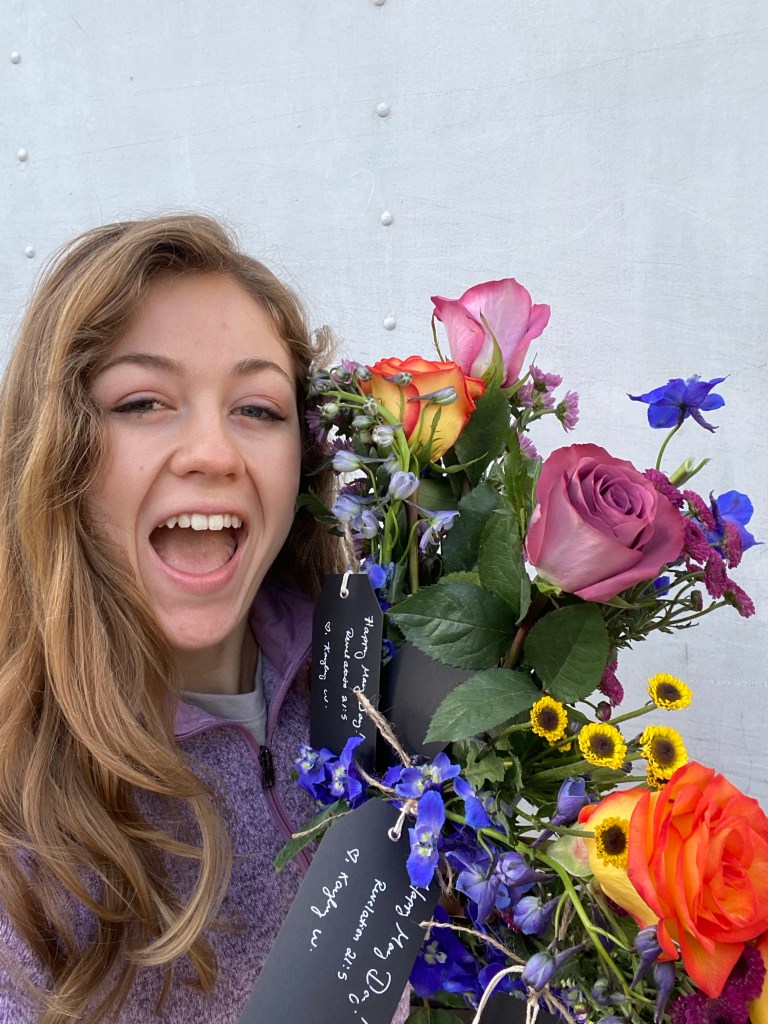
The story of the beautiful Queen Guinevere leaving adorable Richard Harris with a bowl-cut is one of the worst cinematic (but also theatrical and literary) tragedies in history, and if it weren’t for the wonderful music, my parents probably wouldn’t have let me watch Camelot so young (granted, we never watched the entire second half because adultery). Still, each year, “It’s May! It’s May! The lusty month of May!” rings out from my record player for reasons of nostalgia and general merry-making. Last year I started a tradition of making and delivering May-Day baskets, or rather rekindled it, as my mother used to do this with me when I was very young.
On my way back from my journey around the neighborhood this morning, a sweet older neighbor ran outside with two bouquets in hand: this year’s collection of button daisies and roses, as well as the one from last year. “I keep it hung on my wall” she said, pointing to the faded purple cone of dried blooms.
I owe my love for all things celebrations to my mom. When she was 12, she led a homespun parade through her neighborhood, recruiting local kids to sing and dance and march in Christmas costumes. My mom appeared, of course, as none other than Mrs. Santa Claus on roller skates. The newspaper did a write up on it. She made front page.
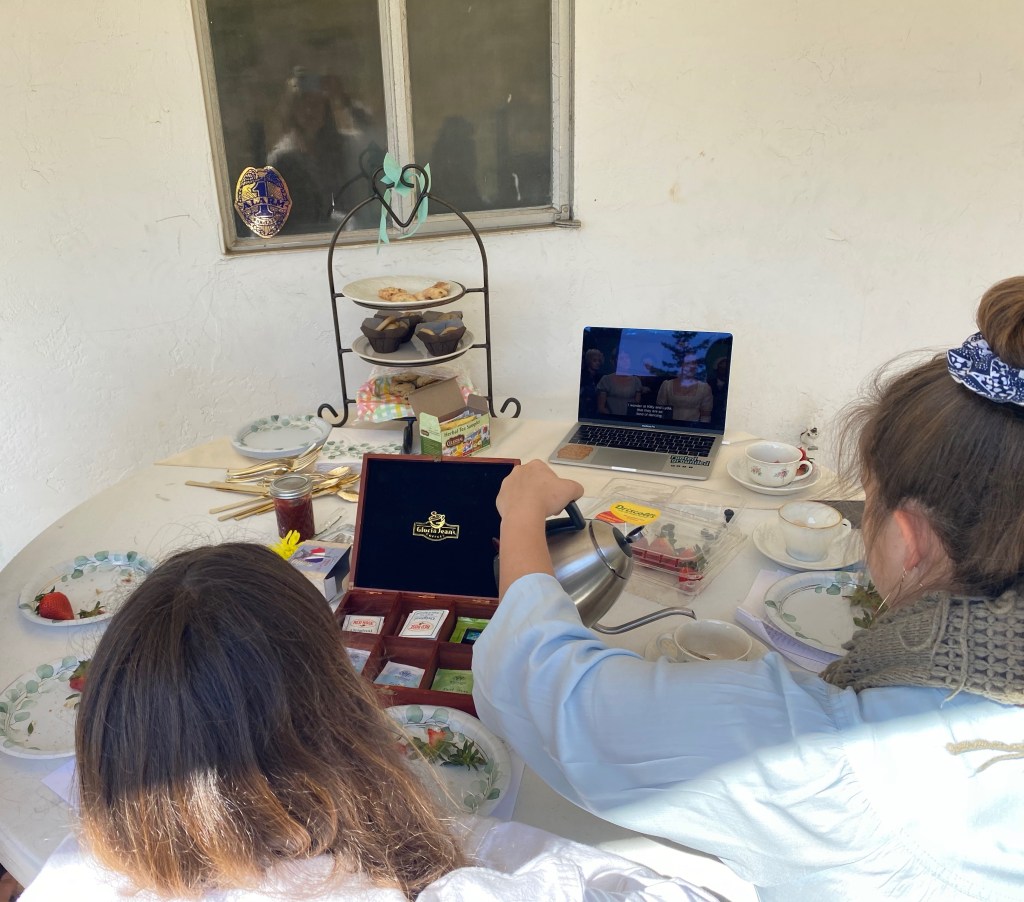
This last week, after my seniors had finished their study of Pride and Prejudice, I decided to throw a tea. We had scones, cookies, lots of berries, and plenty of laughs as we talked and watched the BBC version together. It reminded me of my high school days where I would force my friends to picnic with me in the middle of campus, lugging baskets of teacups and chicken sandwiches onto the school bus in an attempt to make the everyday a little more special.
Is is extra? Yes. My mom and I were discussing how our celebration drawers (two big drawers stuffed with gift tags, pretty ribbons, streamers, banners, and doilies) could benefit from a little Spring cleaning. But my philosophy is that if Jesus’ love is extravagant, we can afford to be a little extra sometimes, too. And there’s nothing wrong with that.
2 Corinthians 13:14 “The amazing grace of the Master, Jesus Christ, the extravagant love of God, the intimate friendship of the Holy Spirit, be with all of you.”