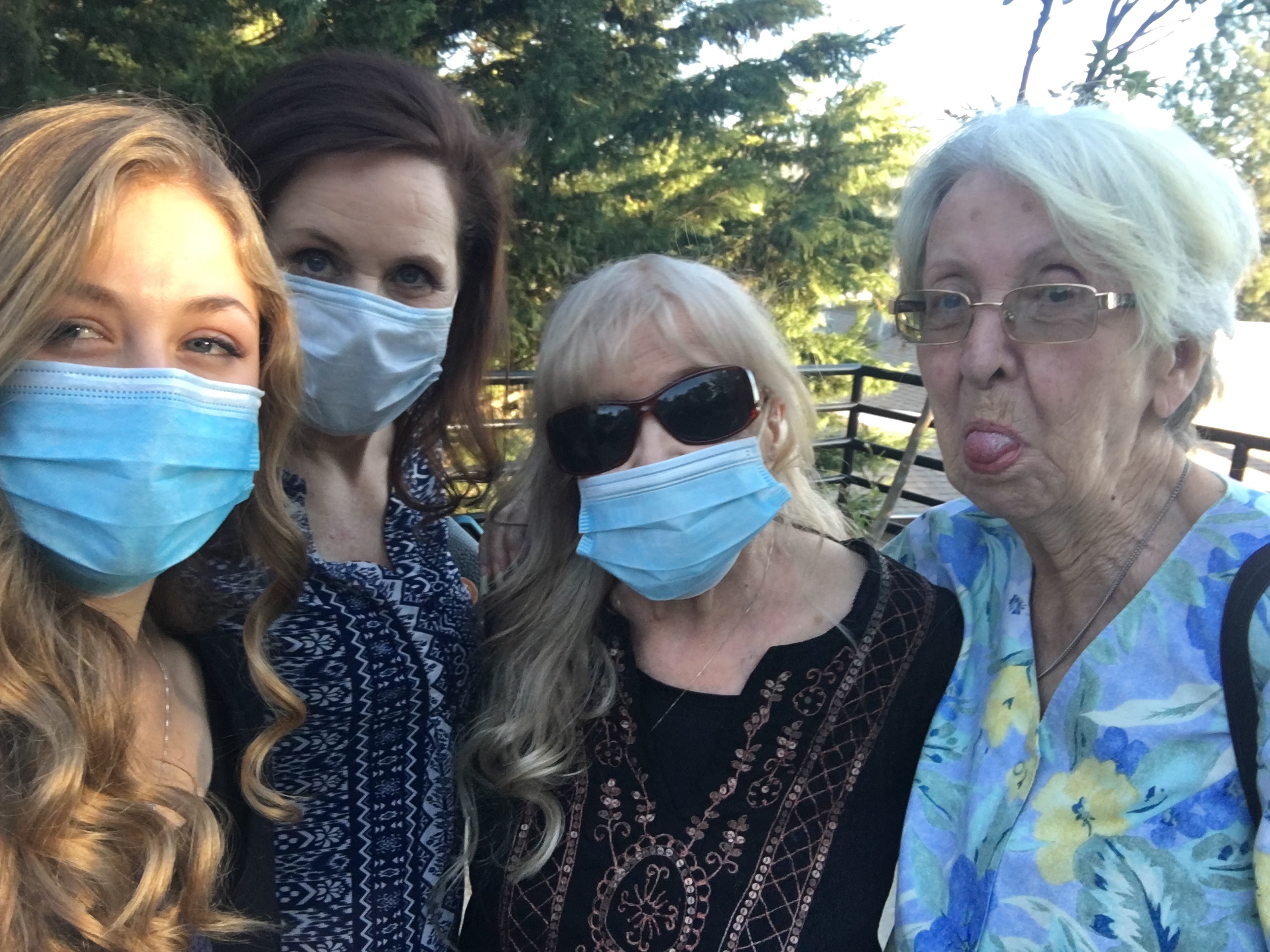
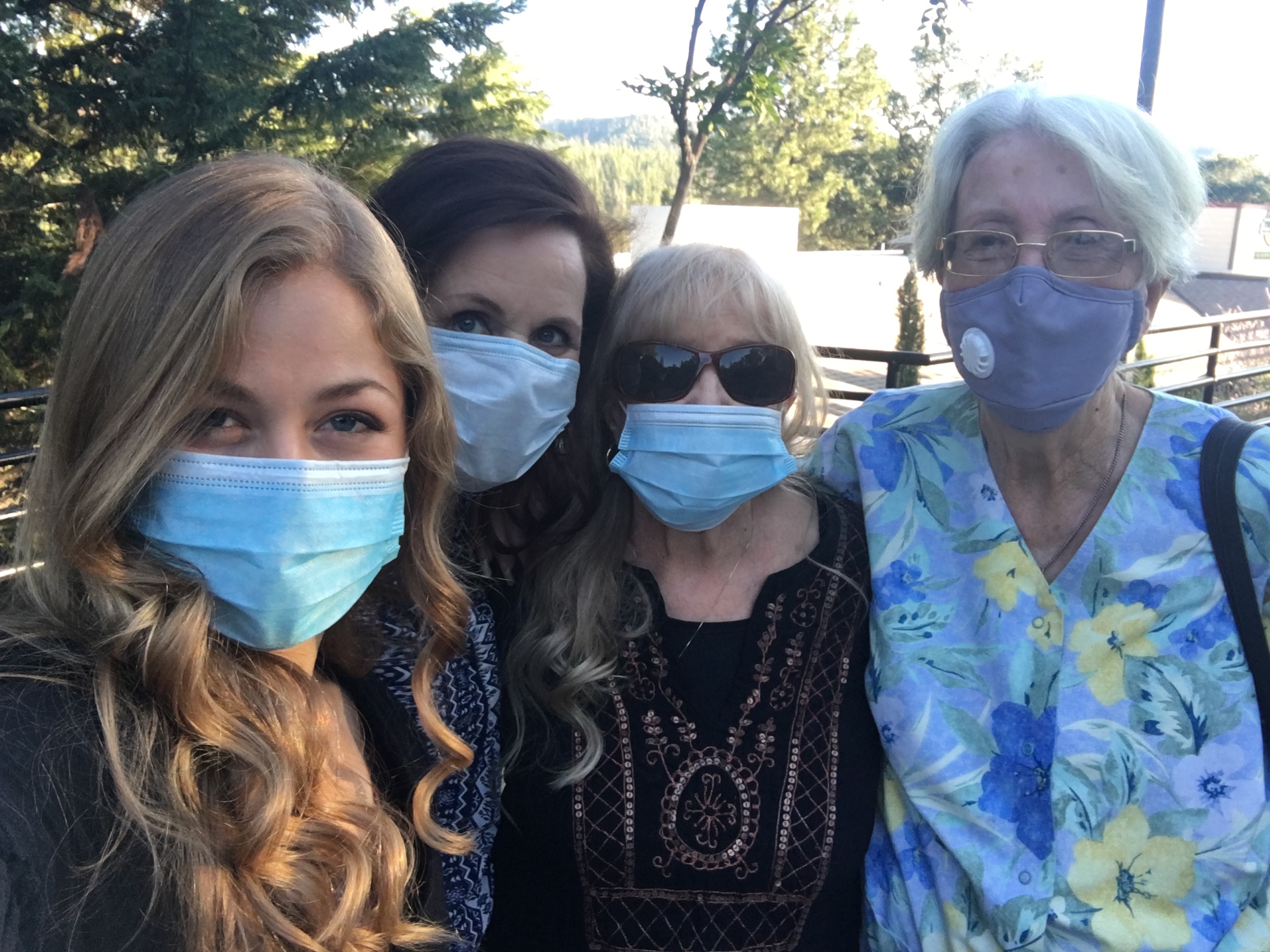
We crossed the threshold of the sliding glass basement door, inhaled deeply, and let out a tandem “that smell!” kind of sigh. I’d say it’s a bit like pine mixed with dust and sunscreen. The pool table and crystal glasses atop the dusty bar were exactly as they were over a year ago. Upstairs, my grandparents and aunt were waiting, eager to share hugs after months and months of corona-induced distance.
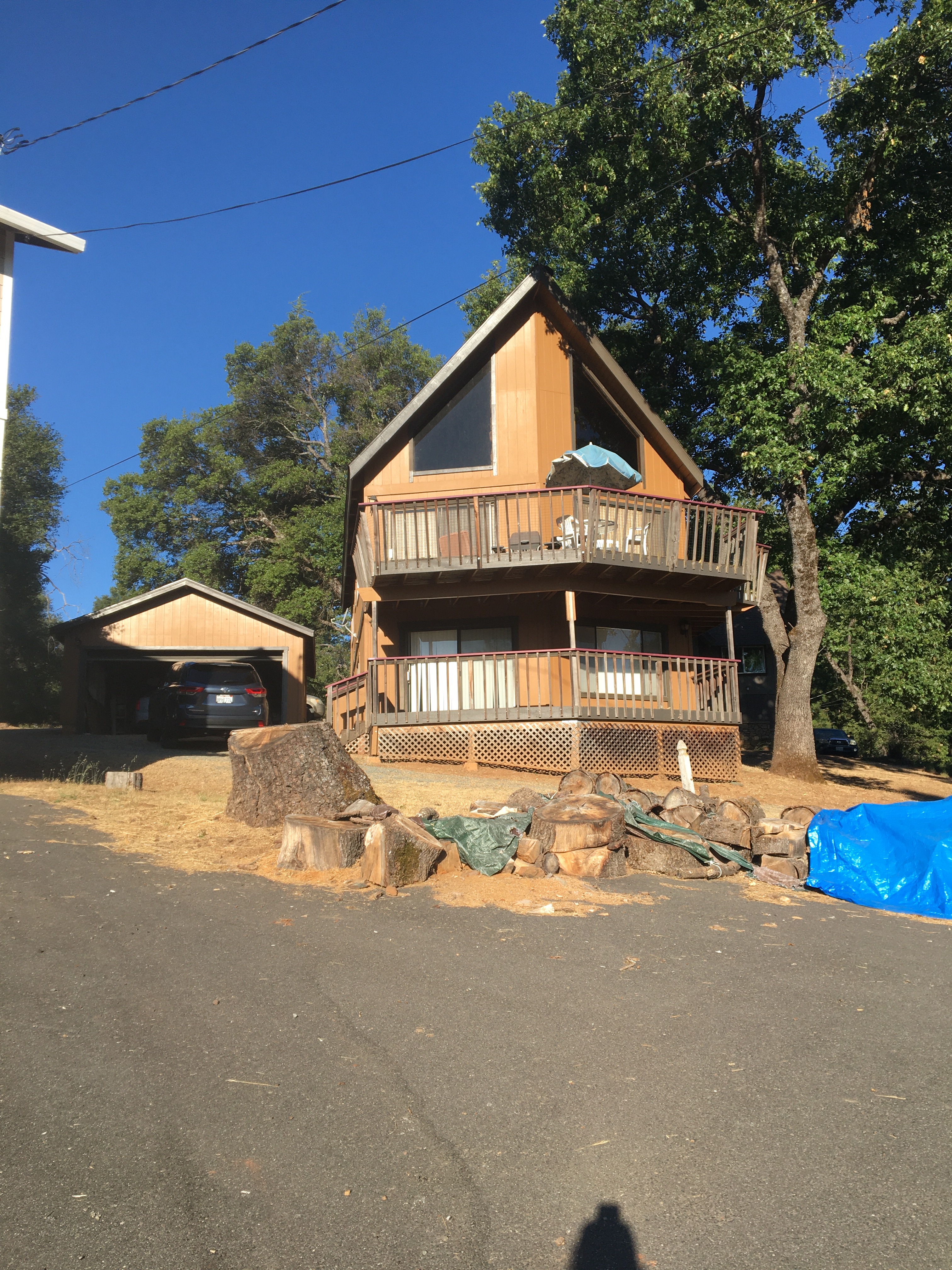
My grandparents built The Cabin in the 70s, and I say you can tell in the most affectionate way possible. The cherry red carpet, dark wood, macrame accents and wooden ducks harken back to a time when my mother somehow rode around on the back of my grandpa’s motorcycle without a helmet and my Nana wore a swimsuit. Now the house is a family get-together spot for summer lake days and a retreat from snow tubing in the winter.
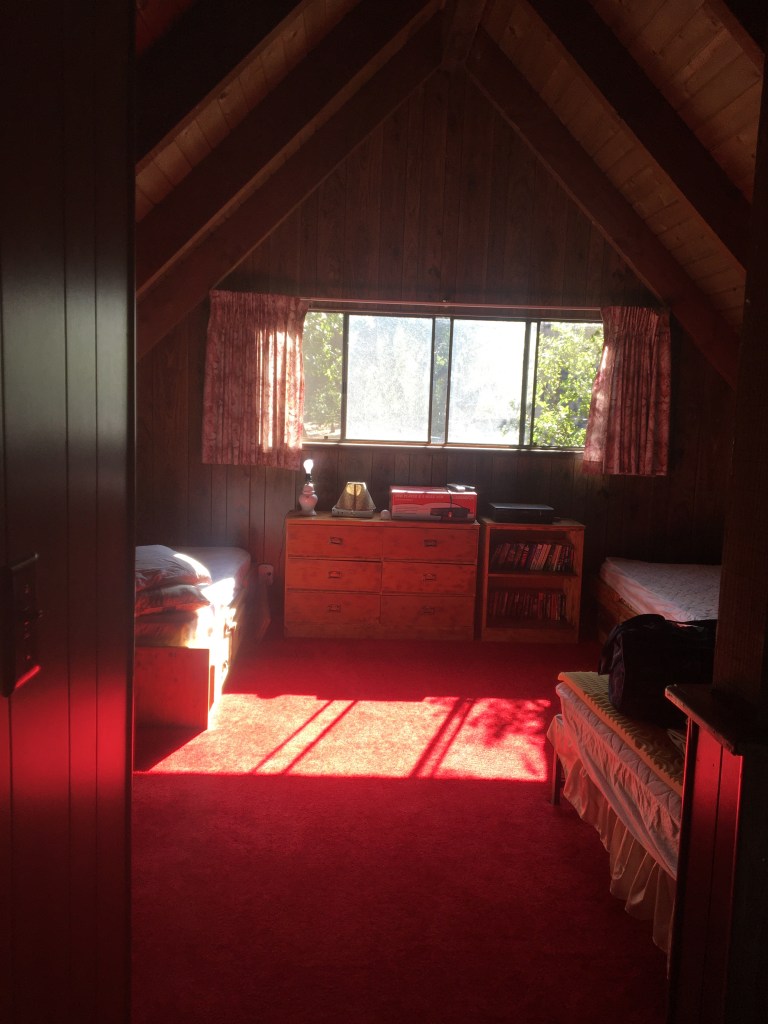
I climbed to the third floor “Jungle Room”—the third-story loft with three twin beds, tiger-print blankets, and safari hats and spears on the walls. On the main floor is a “Strawberry room” where my mom’s childhood bed and strawberry printed bedding have a permanent home. The ground floor, complete with pool and foosball tables, Coors signs, and a full bar comes as close to any bar I’ve seen, minus the people and actual alcohol. The main part of the house is the family room, and the theme is Cabin. Think brown wood-paneled walls, brown chairs and a brown sectional… basically, everything is brown, but stylish, and I’m in love with the place.
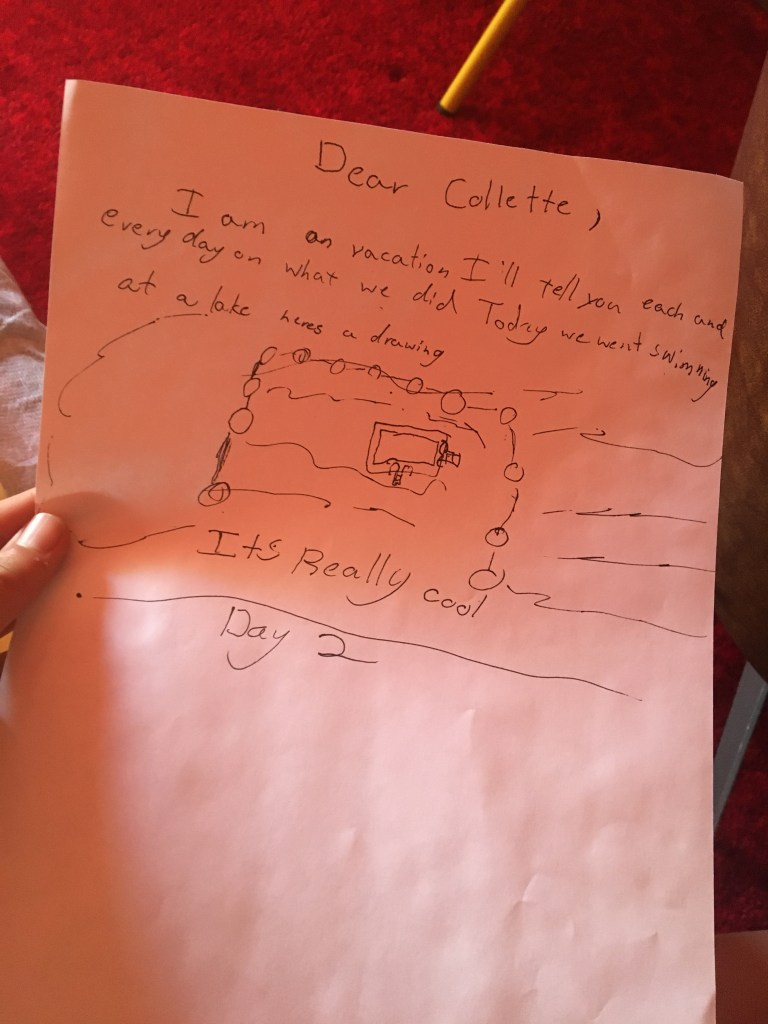
I checked the Jungle Room desk drawer for my sister’s (clearly) unsent letter to a friend from probably 2009. Still there, and still hilarious given that her promise of a daily report of events did not come to fruition (the events of day one are listed in detail while “Day 2” is a title and nothing more).
The Jungle Room
To be completely honest, I didn’t want to make the trip up this summer. A brand new class, plus prep work for the upcoming school year have been weighing on me, and I wasn’t exactly jumping at the opportunity to mix all of that with terrible WiFi. Still, I knew that this would be a good opportunity for my family to be a family. With Kenna heading back to Canada in a little over two weeks, me starting working full time, and the travel challenges Corona will inevitably create in the future, there was really no better time. Plus, I could read on the beach!
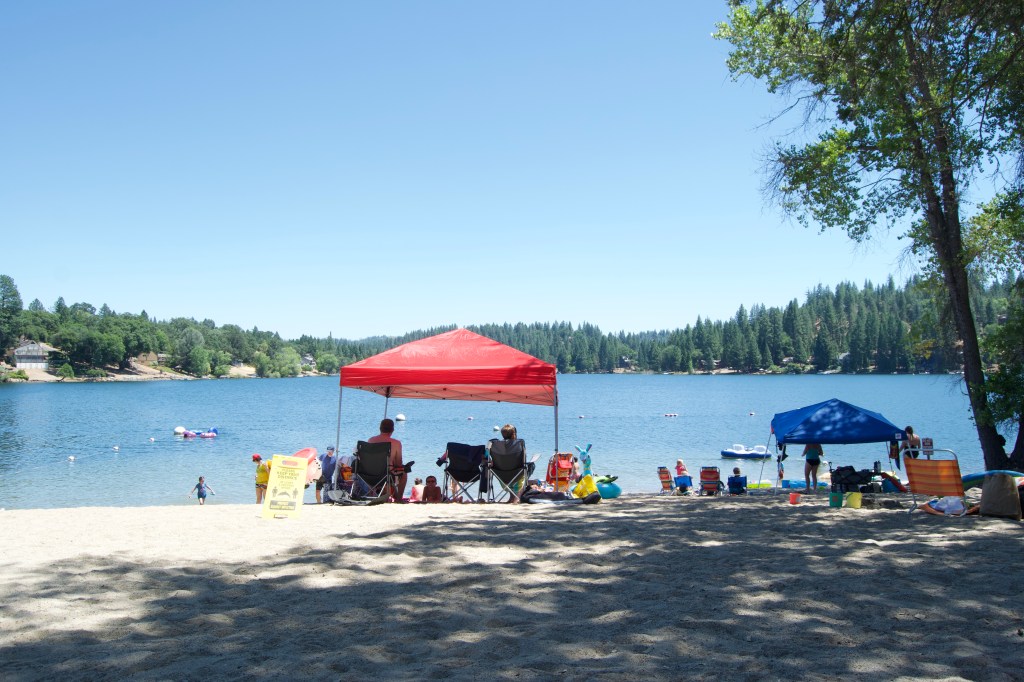
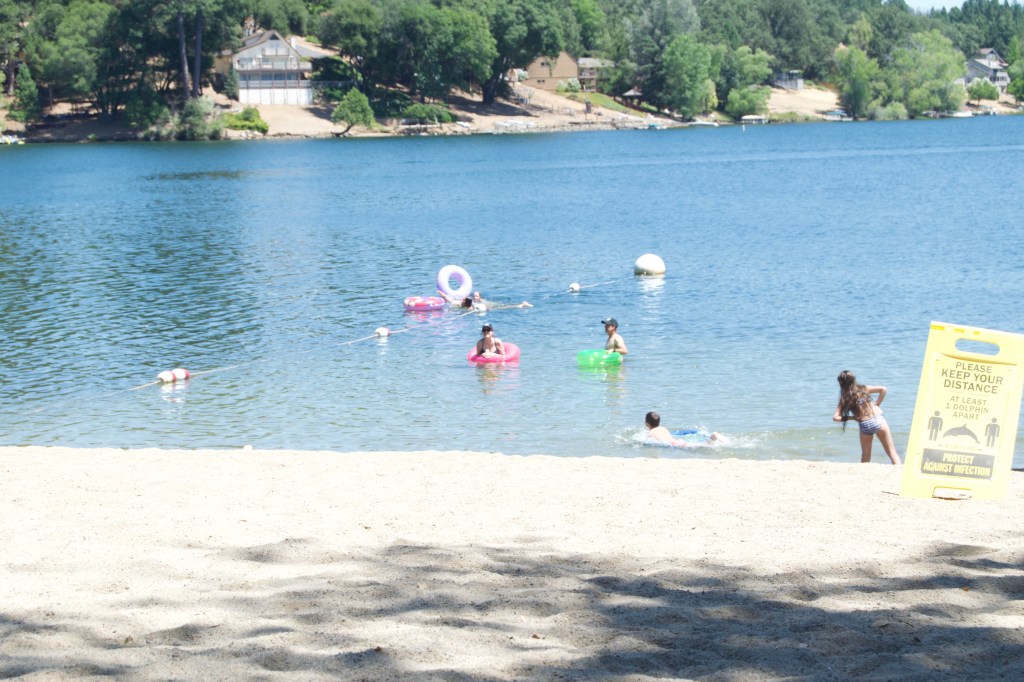
My parents were ridiculously cute out in the water. They got a kick out of my capturing the “At least one dolphin apart” sign with them clearly not obeying. Ducks on the beach! What could be better?
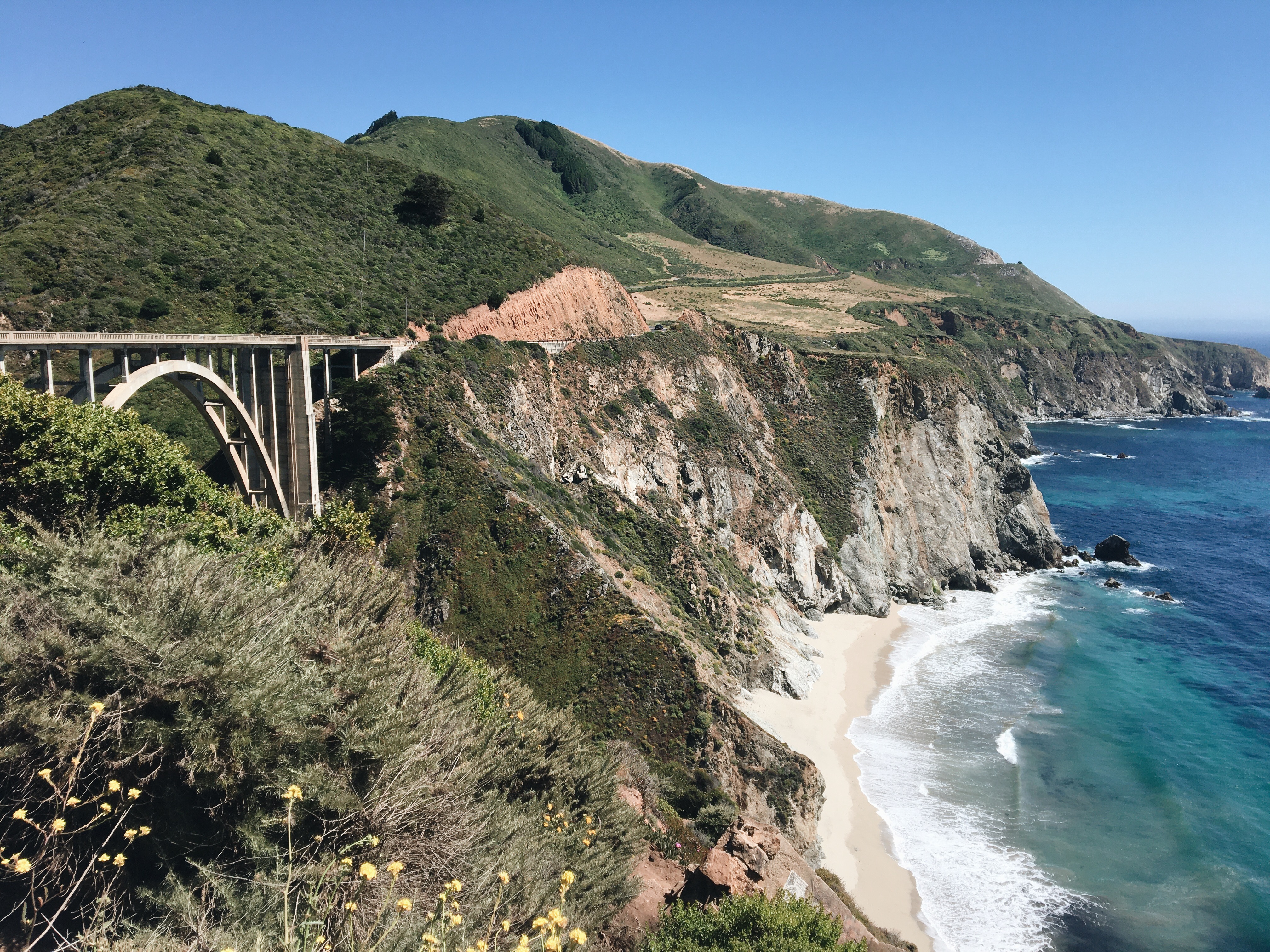
Time is passing more quickly than I remember it did as a child. Nana is 79, my sister is halfway through college, and despite the fact that it feels like it’s been five minutes since it began, my mom is nearly five years into her cancer journey. These nights of laughing over games of Apples to Apples and mornings watching romcoms like My Big Fat Greek Wedding over eggs and Keurig coffee are not guaranteed to come again, and I’m savoring them. My books, homework, and missing my sweet boyfriend as he backpacks in Big Sur are taking up space in my mind, but I’ve made an extra effort to be present in these moments that are not, and never were promised.
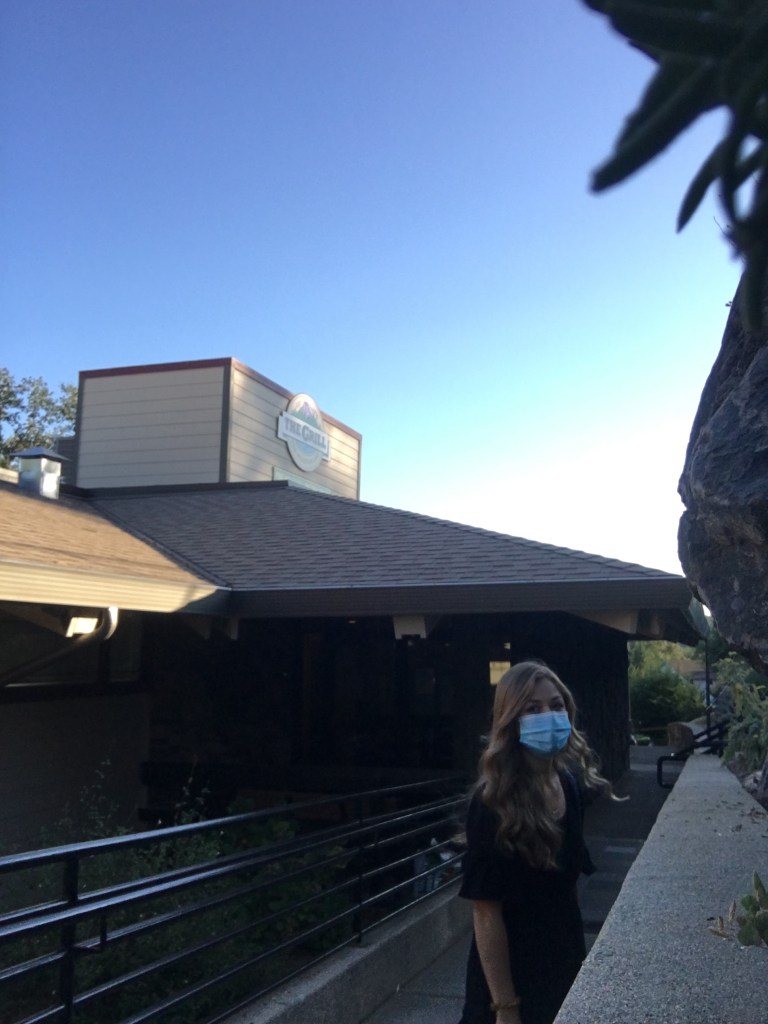
So, until Tuesday morning you can find me floating in the lake at Dunn Ct., or reading with Nana on the upstairs deck, or running the winding paths around the lake with Rooie, or playing pool downstairs with Grandpa. Grandpa and my dad had a blast (heh) at the shooting range this morning while we vegged out in front of the tv for a couple hours, and later on my mom took me to town to buy a dress for dinner because for once in my life, all this over-packer packed were my comfiest, rattiest gym shorts and some running shoes. I found a cute, black gauzy thing on a rack outside the only boutique in town, and it was only $19! Later on we had burgers and took sips of Nana’s (VERY salty) Bloody Mary at The PML Grill, which overlooks a lovely golf course.
Not even this area can escape terrible tourist merchandise
What a gift it is that time does not stand still. I am famously not a fan of change, but I’ve learned that living wisely means expecting the changing of the seasons and walking in gratitude. So here’s to Grandpa playing 50’s hits while he and Nana make spaghetti in the kitchen. Here’s to bad WiFi and good conversations.
Here’s to savoring Summer’s end and all the blessings that come with it.
It was the first day of Spring in English 101. My 9th grade English teacher (who was very cool for playing Sanctus Real during our exams per my class’s request) was evidently a fan of the Byrds. The Ecclesiastes-based tune bounced down the halls in the typical happy 60s fashion, proclaiming truths not even a group of moody freshman could deny:
To everything (turn, turn, turn) There is a season (turn, turn, turn) And a time to every purpose, under heaven
A time to be born, a time to die A time to plant, a time to reap A time to kill, a time to heal A time to laugh, a time to weep
I’ve been feeling the changing of seasons this month. The coming of my 24th birthday, and my sister’s reminder of my approaching my mid-twenties reminded me that I am no longer that Freshman girl who lived in ripped jeans and Converse and hadn’t yet learned how to be brave and say what she was really thinking. Next month, my very long Covid summer ends and I begin teaching high school English, which is such a trip given the fact that I practically laughed in my mom’s face ten years ago when she asked if I wanted to be a teacher like her. Turns out that my English degree will be put to use and I will join the ranks of English majors with actual jobs. Take that, meany high school advisor.
In other news, three weeks ago I had my first in-person Bible study in months. The five of us sat out in the church parking lot, Bibles in hand, laughing so hard we made our fold-out camping chairs creak. I felt like a poor conversationalist as the tedious weeks of Zoom calls had made me accustomed to unnatural breaks in conversation from loss of internet (the WiFi in my town is pretty ghetto).
When we met in person, I didn’t know what to say or what to do with my arms, which longed to swing themselves around these people I had missed so much. There was no room to hide behind five minutes of, “Can you hear me now?” and let me tell you, that was so refreshing. It was the end of a very long season of being apart, and while I did feel like a jerk the whole time for bringing Hawaiian barbecue to our meeting (I got dinner a little late) it was still a lovely start.
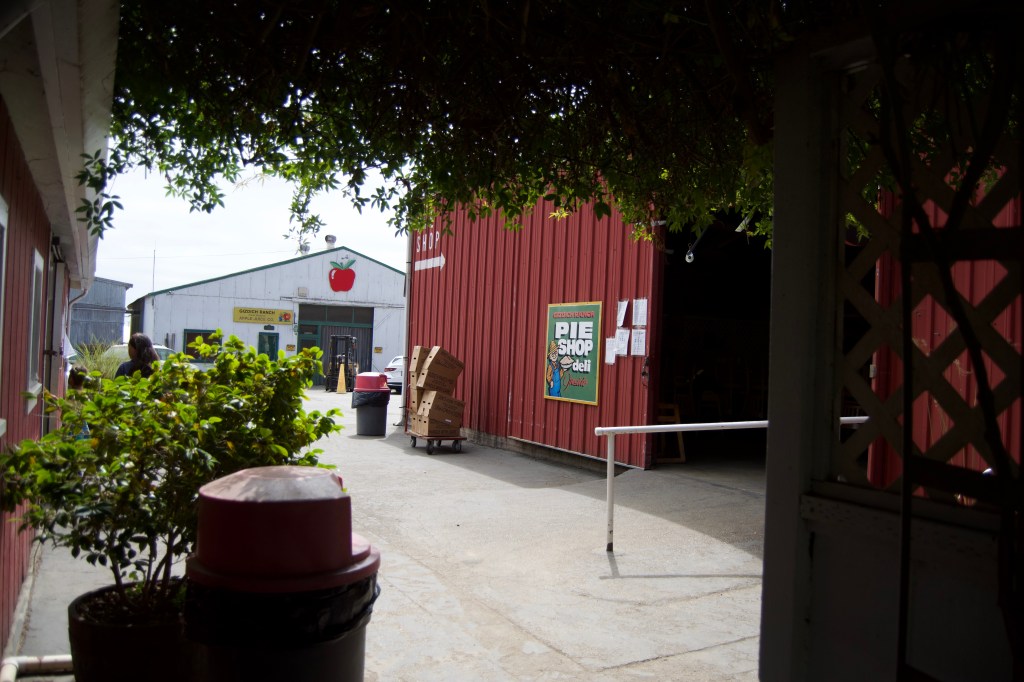
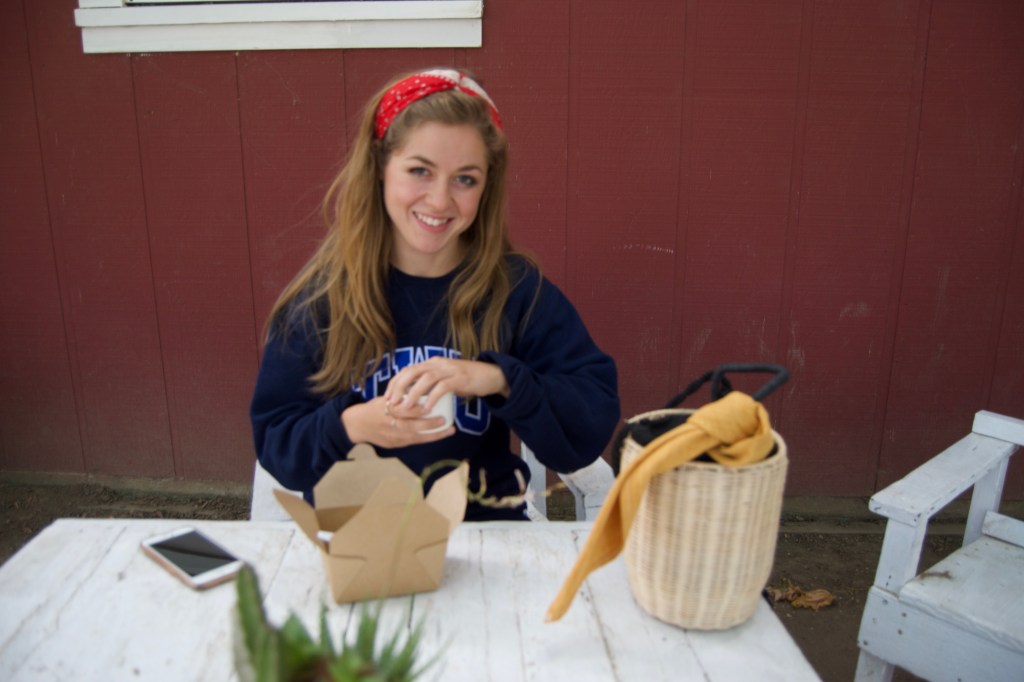
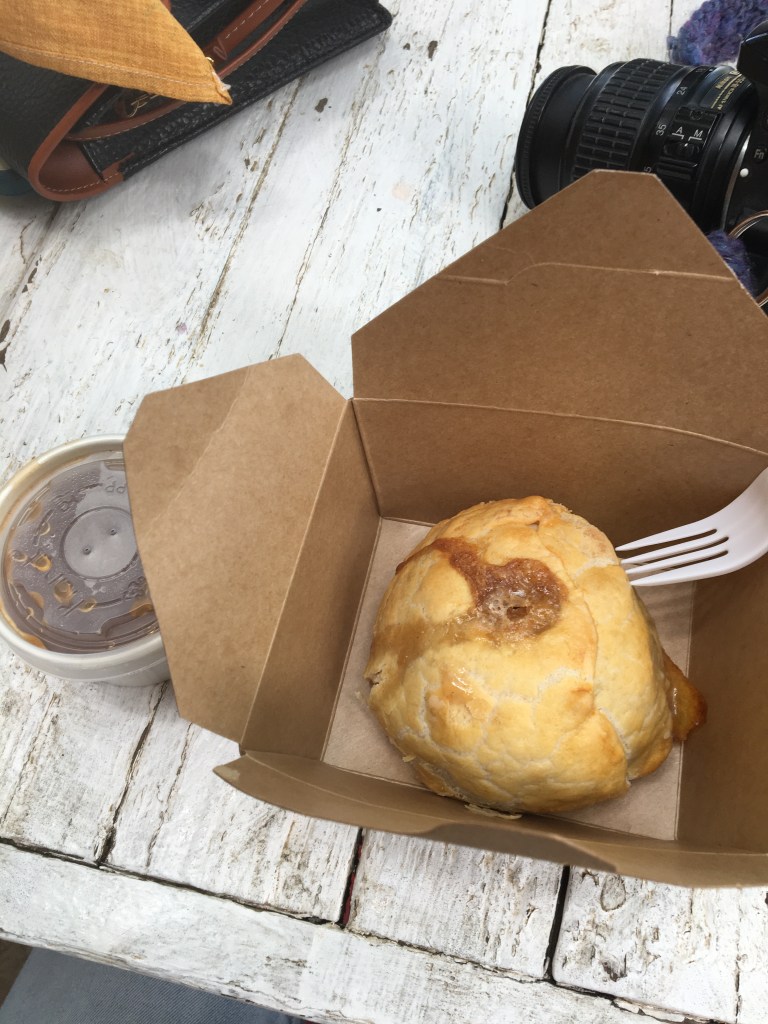
If you’ve never had an apple dumpling at Gizditch Ranch, go do yourself a favor and make some pie crust, coat an apple in cinnamon sugar and butter, wrap that crust around your apple and bake that thing until flakey and possibly too delicious to really exist. Drizzle some caramel sauce over the top and the whole thing tastes illegal. Or just drive out to Watsonville and get one. I swear, you will not make it to the parking lot without devouring it.
Aside from my birthday and the approach of the school year, my trip to Gizditch Ranch is really what got me started on thinking about seasons. We showed up to the farm hoping to get some strawberries (you pull off to the side of a dusty road, grab a bucket, pick as many berries as you want, and then pay for your beautiful, fresh berries right there in the field after they’re weighed) but sadly, they were all picked out. The Come Back Next Season sign was a big, fat reminder of how I’m pretty much always late when it comes to berry season. Luckily, they sell frozen berries from their tiny store for the hopelessly forgetful among us, and those make just as good a pie as the fresh ones.
Anyway, the beautiful thing about missing strawberry season was actually the reminder that seasons do end; they turn, turn, turn—and the fact that they are finite makes the things worth savoring that much sweeter. I think back specifically to last summer when I worked on a dog ranch. My jobs ranged anywhere from refilling spray bottles with bleach, to cleaning mats of shedded hair from fences, to feeding puppies, to putting bark collars on some of the scariest boarding dogs, to the never-ending job of shoveling dog poop. It was undoubtedly the most challenging job I’ve had, both physically and mentally—but I look back and think of how I grew in that time, spending my long hours of cleaning and corralling dogs talking to God about how sweet the puppies were and asking for the grace when I felt mistreated by a coworker. I wasn’t allowed to have my phone on me, and workers weren’t supposed to socialize much. In the moment this solitude, mixed with eu de hot sun-on-retriever manure was torture. Now I genuinely miss that season for how much time I was able to spend in prayer.
I don’t always love the season I’m in, but it’s good to remember that there’s almost always something I can glean, or simply enjoy in it.
And now from my camera roll, some things I have been savoring this past month:
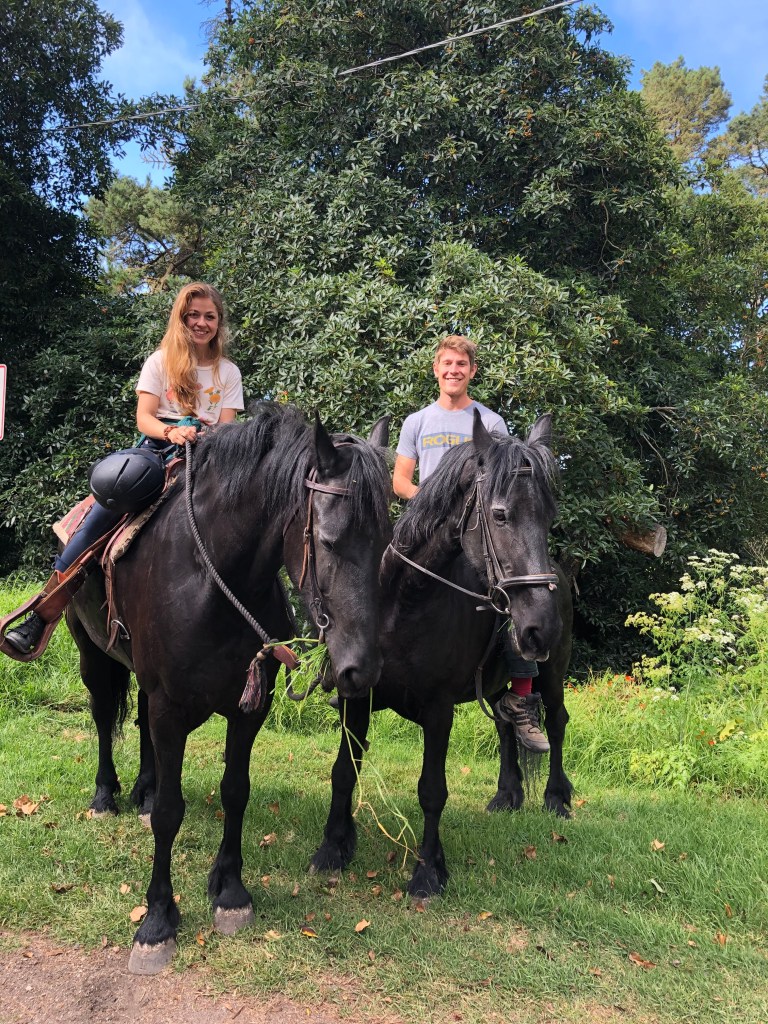
Horseback riding. Calvin was brave and used the bareback pad, and I held on for dear life as Noah decided to make things a little more interesting by trying to buck me off.
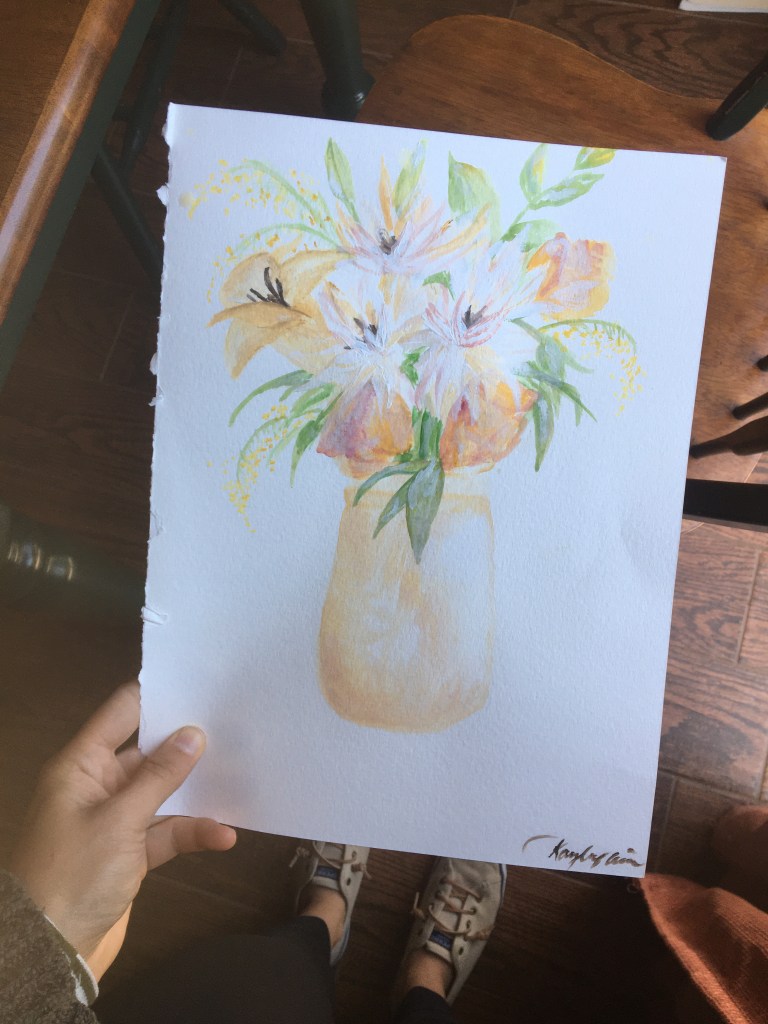
Painting with sisMy home church’s first outdoor service Making some homemade Icy Hot. The recipe calls for a lot of chili flakes and not much peppermint, so it’s more hot than it is icy.
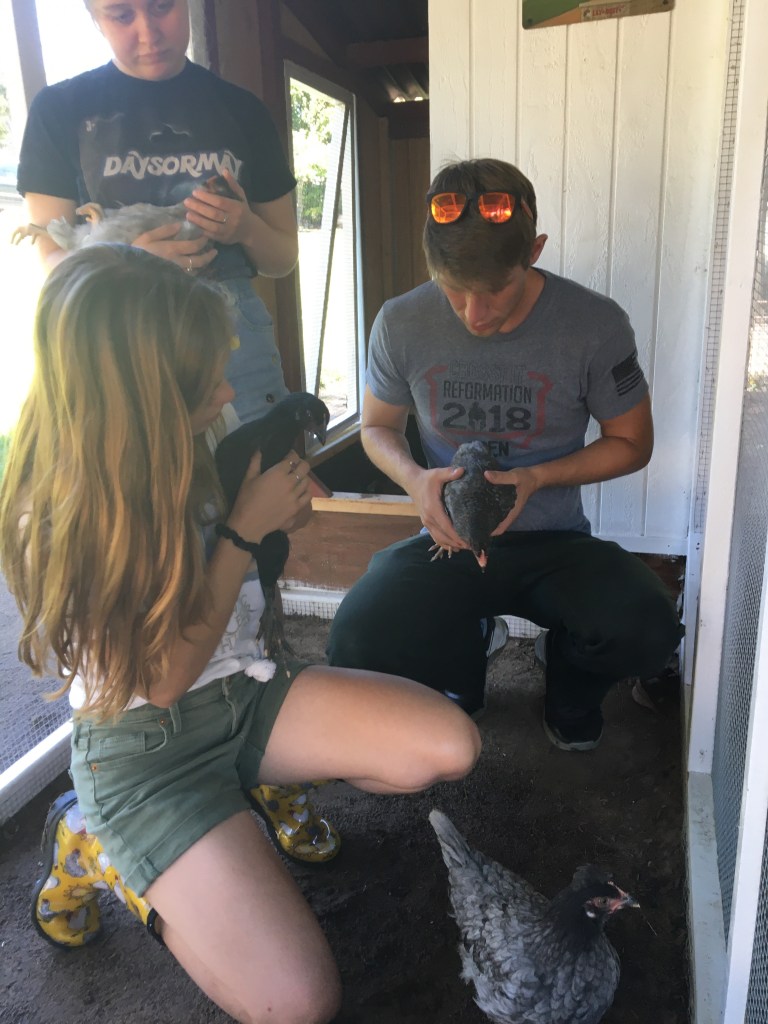
And finally, finishing my coop and getting my little hens!
God created us for intimacy with Himself. Why do we build back up what He died to tear down?
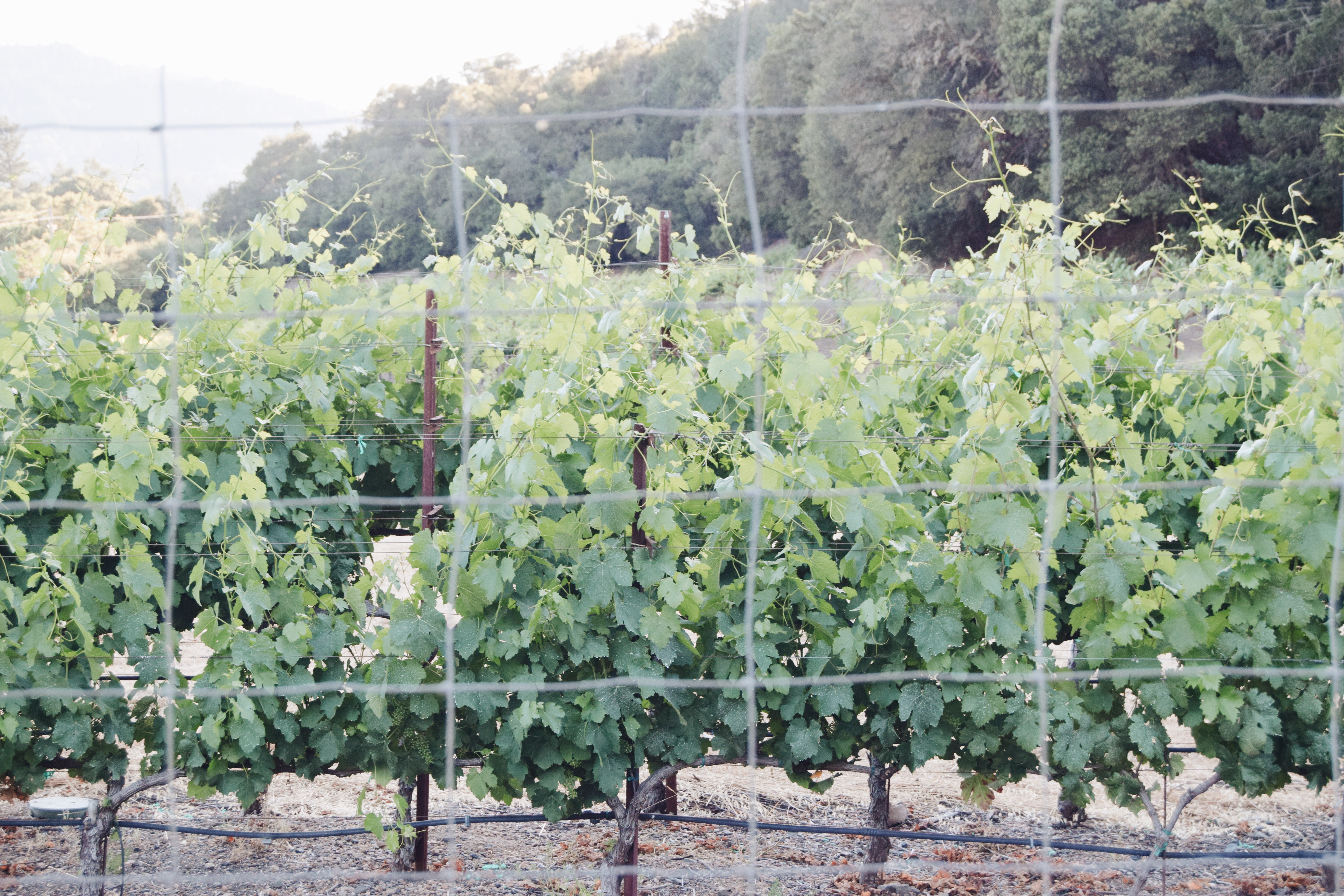
The trip down Howell Mountain was like a descent from heaven to earth, starting from above the blankets of cloud and finishing among the vineyards on the valley floor. In the ten minute ride down, you could see the best of the Napa Valley: the stalwart pines, standing tall and militant along the ridges; the winding forest roads, always green with moss; and of course, the vineyards, which occupied everything from the steep, mountain hills to neighborhood backyards and the endless commercial fields.
Strapped into the backseat of my family’s Honda Odyssey, I leaned by forehead against the window and stared out at the valley below. We had just visited church, but this wasn’t a normal Sunday guest experience. For one, it wasn’t even Sunday.
Prior to attending my Seventh-Day Adventist college to pursue an English degree, my family decided to take a trip to check out the campus, the music department, where I’d be auditioning for a scholarship, and the church—a reasonable move seeing how we weren’t even Adventist. That Saturday afternoon, however, some unfamiliar theology communicated in the message actually shook me.
At the time, I had been in the middle of my own Great Awakening and was on fire for God. I read my Bible constantly—not out of guilt, but with the sincerity and exuberance of someone newly in love. Having just figured it out, I prayed all the time and wept at the the idea that Jesus would give himself for someone like me. For the first time in my 18 years I felt right with God. Now, when confronted with things like food restrictions and celebrating Sabbath on the “right day,” I questioned whether I was right about anything I believed in.
These new teachings challenged what I had learned about God in the last year— and by challenged I mean that they reacted in my heart like baking soda does to a capful for vinegar. I walked out discouraged, closed off, doubting my salvation.
Untested and secure within the confines of my garden, I thought my faith was strong. But in this new arena of veggie bacon and 1860s prophetesses and “Happy Sabbath!” from strangers downtown, it only felt threatened. One church service and my developing faith took as many steps back as I had covered that year, and for a time, I shut out the God whom I now perceived expected far too much.
For a season, the question that plagued my mind was this: Was the God I was learning to love who I really thought He was, or had my heart been slowly warming to someone who was completely indifferent to me?
I didn’t dare run to Him. I was hurt. God didn’t like me, so what was the use talking to Him? Like a hospital patient in need of some privacy, I drew a thick curtain around my heart and with a flourish and put out a sign: Do Not Disturb.
Fear and Fig Leaves
Around Halloween 2005 I discovered the stash of King Size Reese’s my mom had bought at Costco for the slew of trick or treaters who would be swarming our small neighborhood in a matter of weeks. Having grown up without much sugar in the house, I took advantage of the situation in a way that any normal 8 year-old would.
For two weeks I woke up at 5am and enjoyed a modest 4 Reese’s cups while watching the news. Any and all evidence was carefully removed and stowed, not in the trash where my parents would see, but inside the rocking chair, between the couch cushions, and behind the entertainment center. I knew the Great Kitchen Table Judgement would happen eventually, but until then I was happy to give Elsa a run for her money, feigning the image of perfection and stuffing everything else away between the cushions. Turns out, I’m not the first one to try that. In Genesis 3, Adam and Eve patented fig leaf couture when they realized they were naked:
“Then the eyes of both of them were opened, and they realized they were naked; so they sewed fig leaves together and made coverings for themselves.” (Genesis 3:7)
Sin has a way of making us feel exposed, and why wouldn’t it? Romans 6:23 warns us that the “wages” or paymentfor sin is death. Not one of us are righteous, and like the first humans, in our sins we feel exposed before the Lord.
So what happens when it’s God who comes near?
The Garden of Eden.
The Tabernacle in the desert.
The Temple.
All three scenarios were formed for the purpose of God dwelling with his people. And while the Tabernacle and Temple served as places where Israel could become right with God through blood sacrifice, they were not permanent fixtures, but foreshadowed the man who would both remove our sins and dwell among us. The prophet Isaiah prophesied this Savior 700 years before he was born, calling this man, “Emmanuel,” meaning God with us (Isa. 9:6).
This wouldn’t just be God in a cloud, or God hovering above the Ark in the Holy of Holies where no man could survive without being completely cleansed. This would be (as my friend likes to say) “God in a bod,” living among his people, touching their faces, healing their diseases, and bearing their shame for them (Isa. 53:4).
Into-Me-See
I once had a counselor break down the word “intimacy” into “into-me-see.” To achieve intimacy, you have to be vulnerable. And to achieve vulnerability, you have to be willing to share who you are, warts and all, with another.
Into me, see.
It’s terrifying, honestly. I’d much rather stuff all my not-so pretty stuff, not-so Christian thoughts and habits, and the questions I’m too embarrassed to ask God and others right down under the couch cushions like a wad of Reese’s wrappers.
But the issue is, without vulnerability, which leads to intimacy, we will never truly be known. And that’s the fear the whole world is trying to solve, one more shopping trip, beer, porno, or pay raise at a time.
Ecclesiastes 3:11 acknowledges our innate longing for a forever-love from a forever-God, explaining how God, “has set eternity in the human heart.” All our lives, we have this sense that we were made for something else, or somewhere else. A Garden, perhaps. Created with what Rick Warren calls “the God-shaped hole,” we desire to belong somewhere and to Someone; to know and be known, love and be loved. It is in our DNA and basic development (just look up the studies on children in orphanages suffering from impaired cognitive development, lack of growth, and other problems due to lack of parental nurturing.)
Our desire to be known and loved can only be fully fulfilled in Christ simply because we were designed to be complete in Him. There’s a reason the corner piece from my Statue of Liberty puzzle doesn’t fit into my Map of the United States puzzle; it was designed with a specific place in a specific picture.
Tearing the Veil
We were created by God, but also for God, a gift to himself. As it says in Colossians 1:16, “For by him all things were created, in heaven and on earth, visible and invisible, whether thrones or dominions or rulers or authorities—all things were created through him and for him.”
Because of sin, we were separated from God. Yet, it is the story of the cross that flips our story on its head, turning tragedy to comedy.
In the Tabernacle and Temple, one could not enter into the presence of God without being cleansed, and even then, because God was so holy, there was always the possibility that this human High Priest could die. That veil, woven in purple, blue and scarlet and beautifully embroidered with images of cherubim, represented the separation between Heaven and Earth, sinful men and Holy God (Ex. 36:35).
Yet, that changed with Christ.
At the moment of his death, this very veil in the Temple was torn in two, from the top to the bottom (Mk. 15:38-39). While the earth shook and the dead rose from their graves, the line between Heaven and Earth was being broken; the Messiah had not only given himself to atone for the sin of humanity: He had made a way for man to be with God once more.
Bride of Christ
I read somewhere that the history of the bridal veil has less to do with fashion and more to do with preventing the groom of an arranged marriage from making a break for it should he not find the face of his never-before-seen beloved not so…uh…pleasing. The idea was to conceal that face until you locked him down and he couldn’t escape.
In my own walk with the Lord, this is how I’ve sometimes operated. Some passing thought, new theological teaching, or even more seriously, my own sin causes me to clamp up, shut down, and throw that veil up over my face before God can see what a messed up doubter I am. Like Jonah jumping into a boat on a sea that God himself created, I pretend I can outrun the one who oversaw my creation in my mother’s womb (Ps. 139).
It’s not that I want to be apart from Him, per se. It’s just that my veil feels safer, more secluded from the eyes that have every right to judge me.
And yet, in Christ, it is now my right to approach the throne of God with confidence, as unveiled as Adam and Eve were unashamedly naked (Heb. 4:16). It is the grace of God that saved me from death, and the love of Christ which assures me that I do not need to hide—not from the One whose grace allows for repentance and true intimacy.
Not from the one who gave everything to become Emmanuel.
Not from the one who died to carry me in His arms and bring me home.
In the 5th grade, two things were certain. Hannah Montana was the best show ever created, and I would never have to get a real job because the world was ending in 2012.
I guess somewhere between my Disney Channel binges and listening to popular playground theology a’la Left Behind (and some conversations about the rapture with my dad), I had come to the conclusion that the end of the world was better than growing up choosing a career path I wasn’t sure I’d like. My mom and dad were both very fulfilled in their jobs as a teacher and millwright, so I’m not sure where I formulated this idea that the moment I started working, my life would be reduced to monotony. Perhaps it was from watching the adults who hated their jobs on TV? Maybe I can blame the Disney Channel binges after all.
.
I write this from a moment in history which, for many, feels like the end of the world. The impact of Covid19 has been felt all around the globe, and if it has not affected your life via infection, it has at least impacted your work.
In the first couple weeks of quarantine yeast was scarce, which TBH made me feel like I was in the world of the Hunger Games. Side note: I bought my sister a bow for Christmas but forgot a set of arrows. Weeks ago when reports went out that meat was becoming scarce in the stores, I seriously considered ordering arrows—but then again, what could I shoot? Squirrels? Proof that Covid makes us crazy.
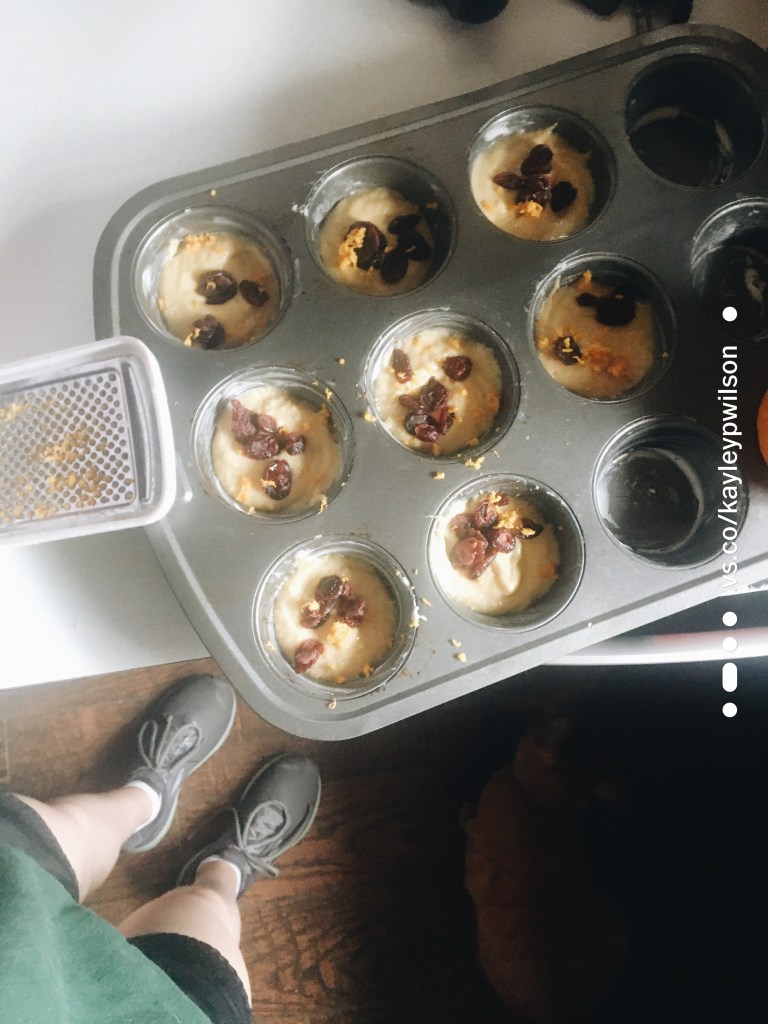
Anyway, it turns out that yeast wasn’t scarce because people were starving and truly needed to bake bread.
After being cooped up in their homes, they were bored. They wanted something to do!
The serial bakers weren’t the only ones. One family I know photographed themselves in monochrome each day, cycling through the colors of the rainbow in impressively coordinated outfits.
My sister has successfully started three quarantine projects, including painting a pair roller skates (each side with a different, famous Van Gogh work), decorating the covers of several hardback Bibles, and teaching herself ukulele.
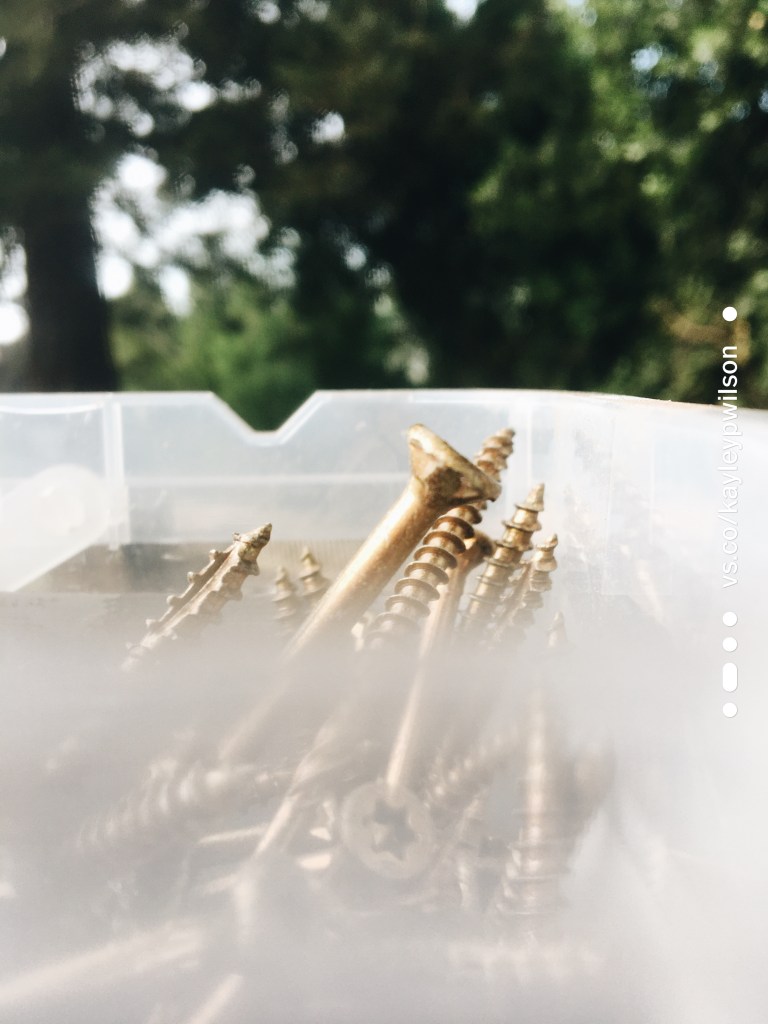
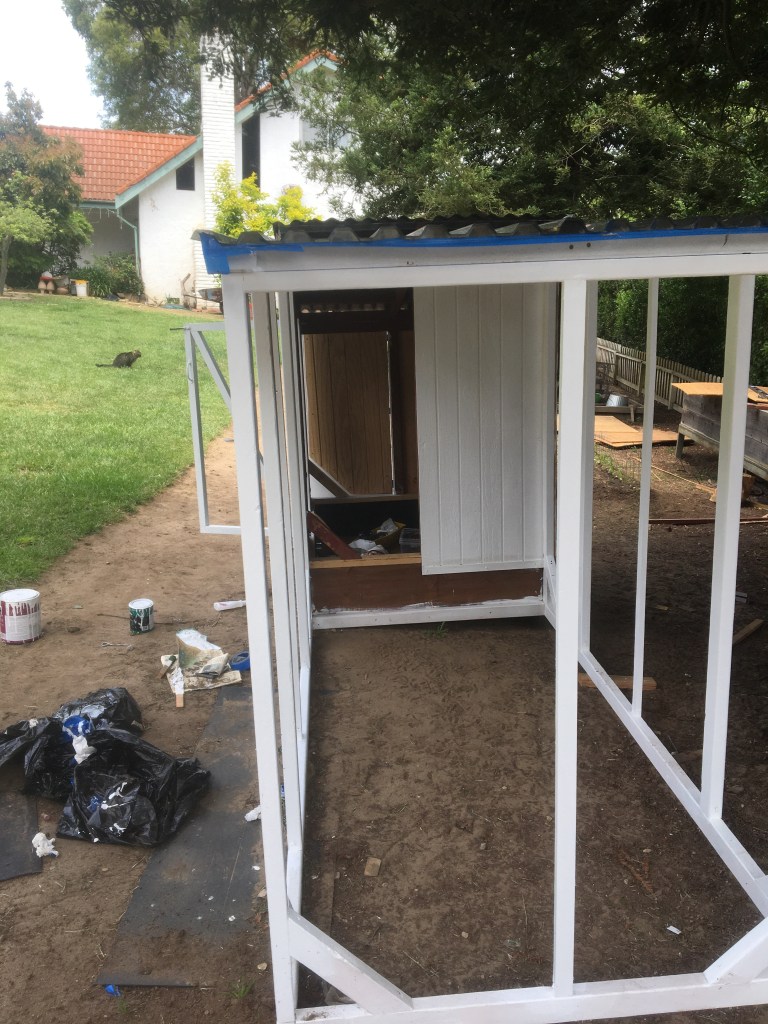
In my own restlessness, and between teaching online and taking my own classes I put together a planter box, restarted my garden, and built the Taj Mahal chicken coop of my dreams (still to be finished).
Despite the economic impact, the devastation of the lives lost, not to mention the inevitable changes we will all adapt to once we’re finally allowed to reenter society, I can’t help but wonder if this is all making us more…human.
Allow me to take you back to the beginning. Not the beginning of quarantine, or even the start of this tumultuous year, but to our beginning. Back to Eden.
In the beginning God makes the Earth and creates a Garden and places the man in it, “to work it and keep it” (Genesis 2:15).
Before sin even enters the world the man is given the Garden to tend and the animals to name. Many of us associate work with the curse and yet, Adam was called to work before the curse had taken hold. To many, the idea of work is Hell, and understandably so. In Genesis 3, after sin enters the world, God casts the man and woman from the Garden, relaying the resulting curse. Adam’s curse specifically has to do with his work (Gen. 3:17-19). No longer will the plants grow without effort. From then on, life would be hard, and work would be work.
Yet, going back to the time before the curse, it seems that work was part of God’s good plan for us. Right after Adam’s creation, his first task is to work:
“The Lord God took the man and put him in the garden of Eden to work it and keep it.”
Gen. 2:15
Could it be, then, that we were actually made to work? To create with our hands, to add value, and to make things lovely, because we were made in the image of the Father who does exactly that?
We learn of God’s desire for His creation to create when He says, “Be fruitful and multiply. Fill the earth and govern it” (Genesis 1:28). This is not merely a request that his children simply have more children, but a command to multiply all that is given in His grace. The command to work and to be fruitful is not a result of sin because it preceded the Fall. It means that as Christians, we are called to work. We are invited to create as our Father created, using our gifts, our resources, and our time to be fruitful and multiply, making God’s beauty and glory known to the world.
Going back to baking and gardening and, in my case, building a chicken coop, perhaps quarantine has been the reset some of us needed to begin working again–and I don’t just mean showing up to a job each day. There is a difference between dispassionate work as unto man and passionate work as unto the Lord (Colossians 3:23). I was somewhat lucky that my job as a teacher was only slightly changed. In-person learning became distance learning, and my resilient and computer-savvy band of 7th graders were champs and learned how to navigate Google classroom in a matter of days. And while some friends of mine who were not so lucky settled into quarantine with nothing to pass the time but whatever they hadn’t already watched from their Netflix queue, I have been encouraged by the ones who answered that Edenic call to create.
As God’s creatures who are wholly dependent on Him to sustain us, we were made to rest, as demonstrated by the Lord on the 7th day of Creation. However, we were also made to work. It’s a desire that is simply built into us. And so, when we are displaced and told specifically not to go to work, we begin crocheting and baking until the world smells of crusty, yeasty bread and breathes a little deeper than it did before. I pray that this time brings about an awareness of the beauty and creativity of God, both for those who know Him and for those who don’t yet.
While an invisible virus sweeps the planet and unmakes our long held plans, may we be fruitful and multiply and make.
May we collapse from our crude scaffolds and fall backwards toward childlike dependance, building glistening, intricate structures from His abundance.
And may we reflect our Creator, using our newfound time to work and to create beautiful things.









 Kayley Chartier